

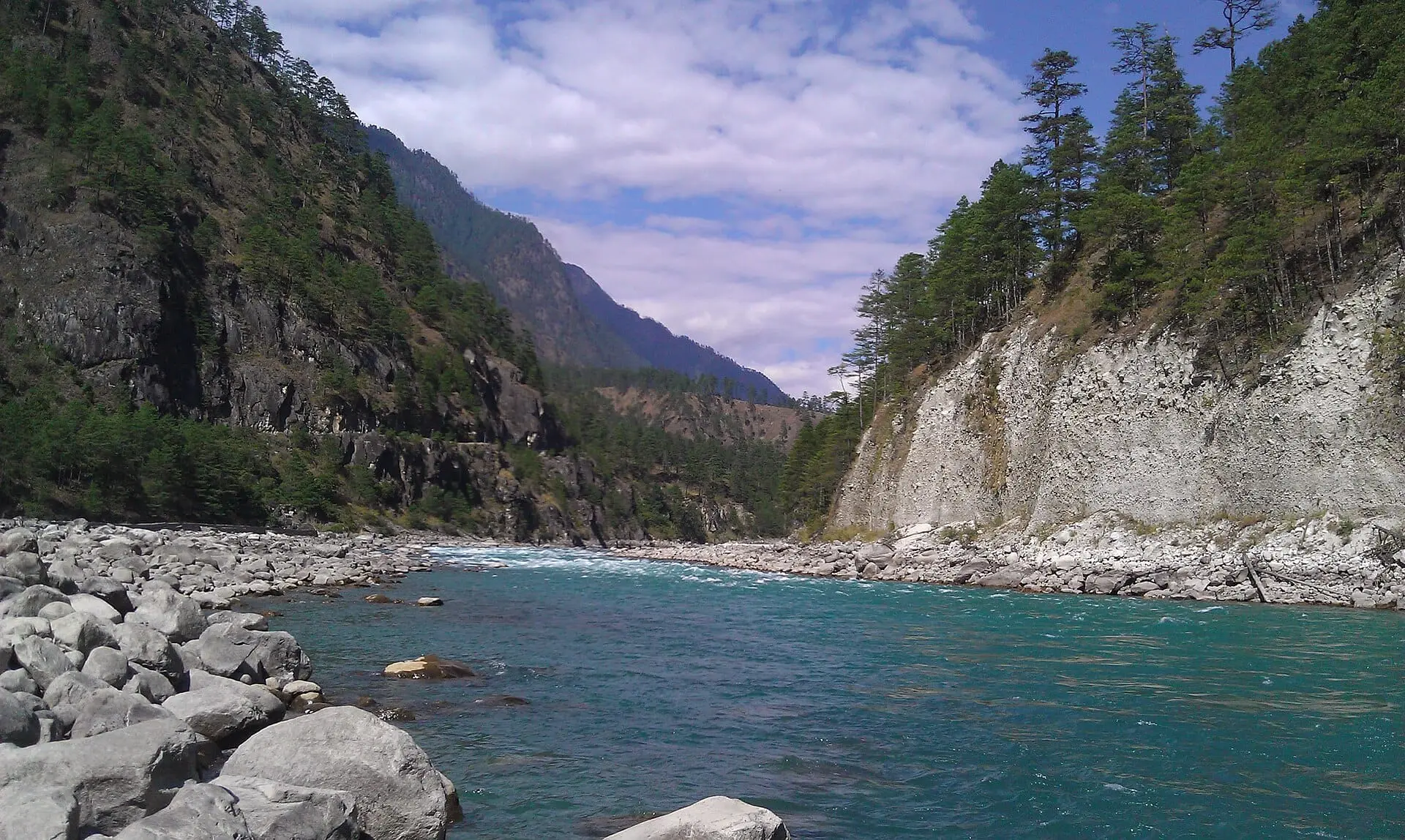
Dong Valley Travel Guide: India's First Sunrise, Walong and the Lohit
Plan a trip to Dong Valley, where India sees its first sunrise: the dawn trek from Walong, the Lohit river, best time to visit, permits and how to reach.
Photo: शंतनू, CC BY-SA 3.0
Dong Valley at a glance
- Best time
- October to May (avoid June to September)
- Nearest airport
- Dibrugarh, about 384 km from Walong
- Nearest railway station
- New Tinsukia Junction, Assam
- By road
- Tezu to Walong about 200 km; Dong 7 km on
- Permits
- Inner Line Permit for Indian visitors
- Altitude
- Dong about 1,240 m, Walong about 1,094 m
- Ideal stay
- 2 nights in Walong, plus nights on the way
Photos of Dong Valley
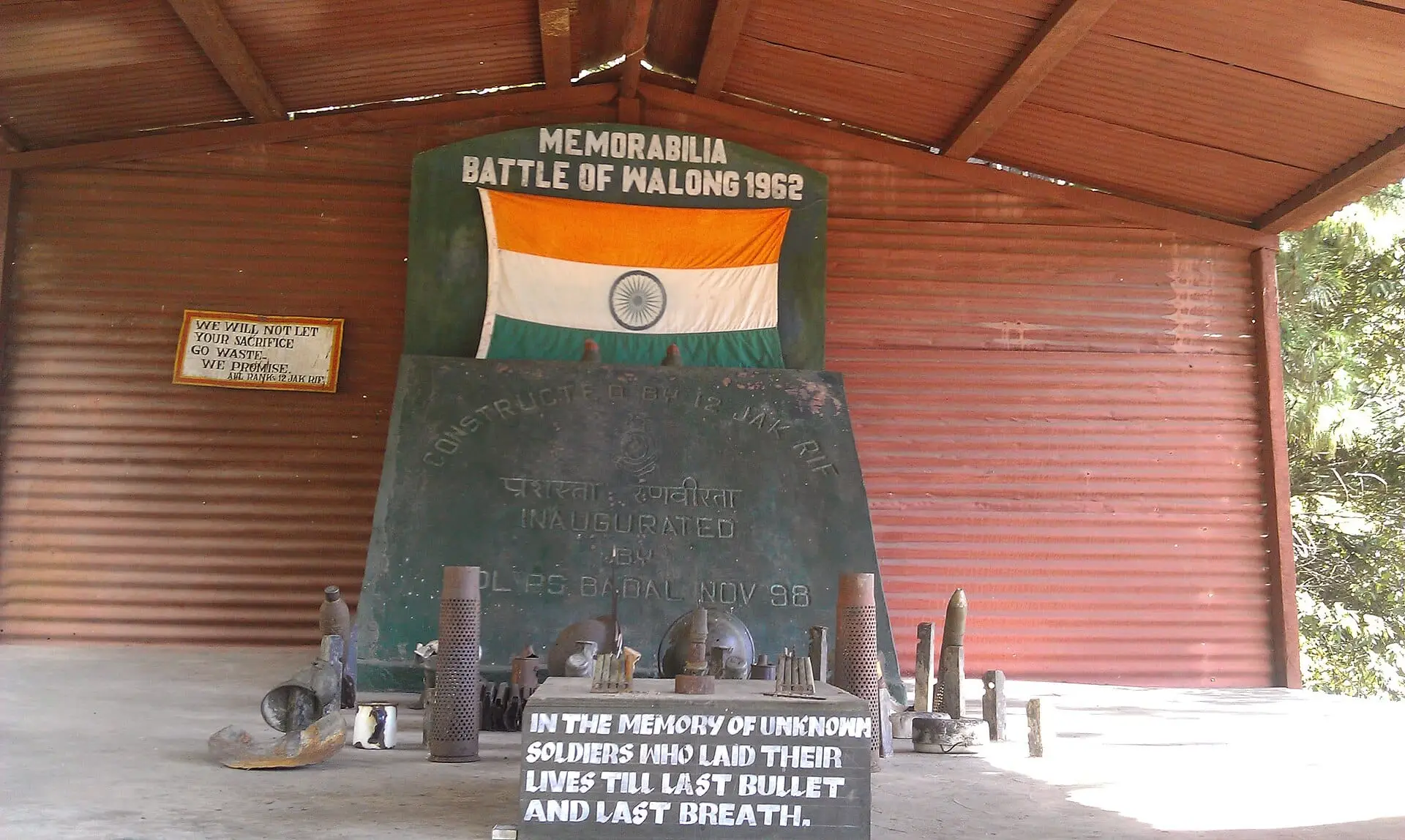
The Helmet Top memorial at Walong, remembering the 1962 battle. Photo: शंतनू, CC BY-SA 3.0 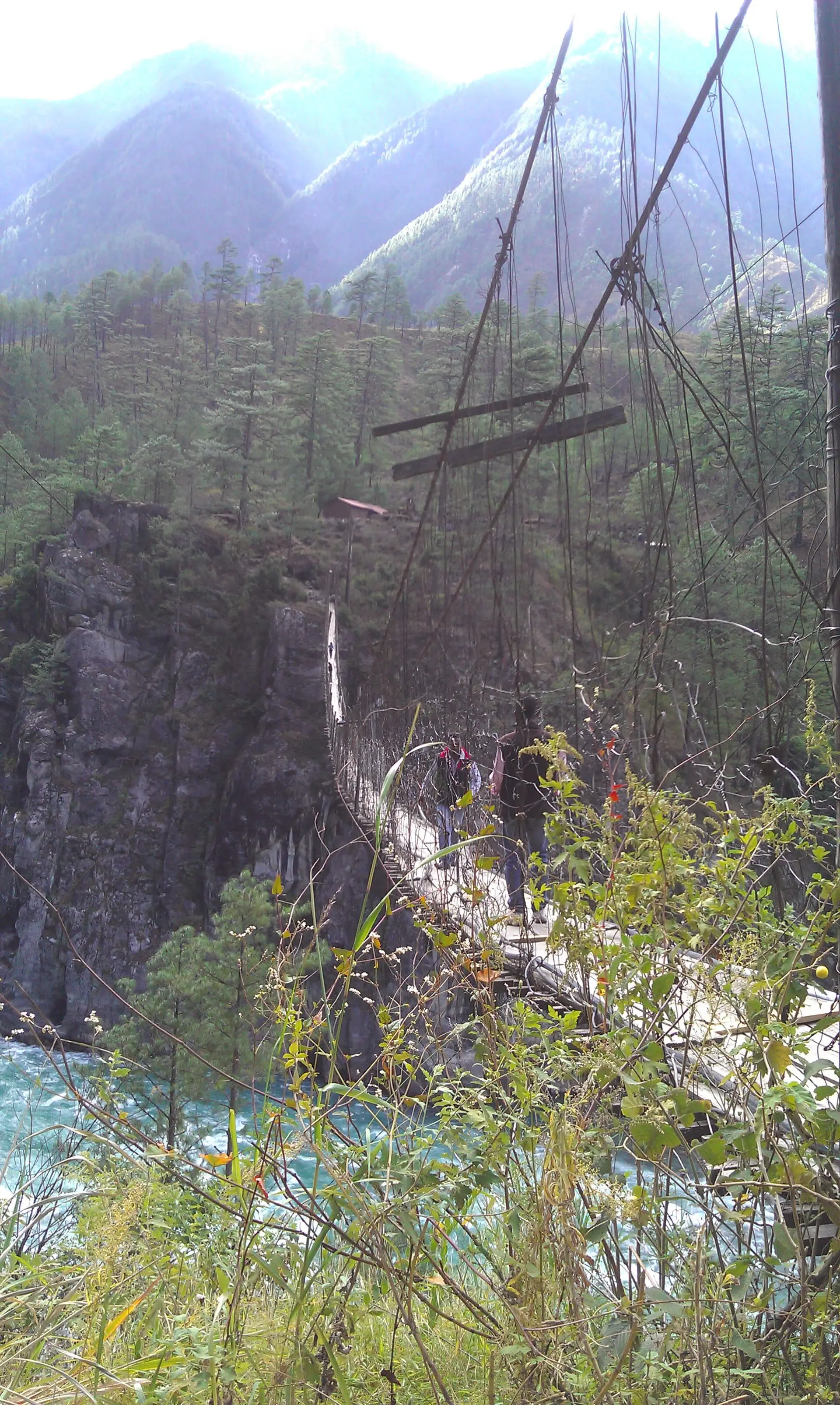
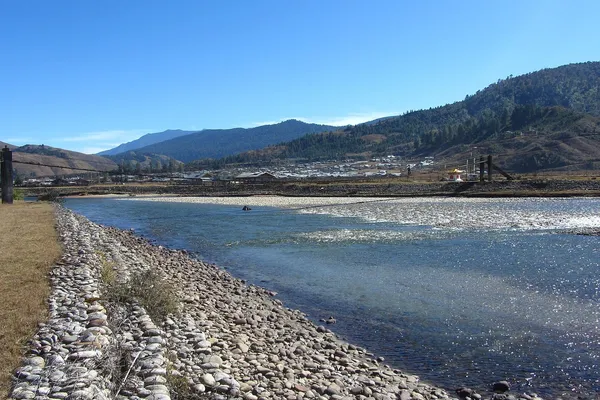
A hanging footbridge over the Lohit river between Kaho village and Kibithu. Photo: शंतनू, CC BY-SA 3.0 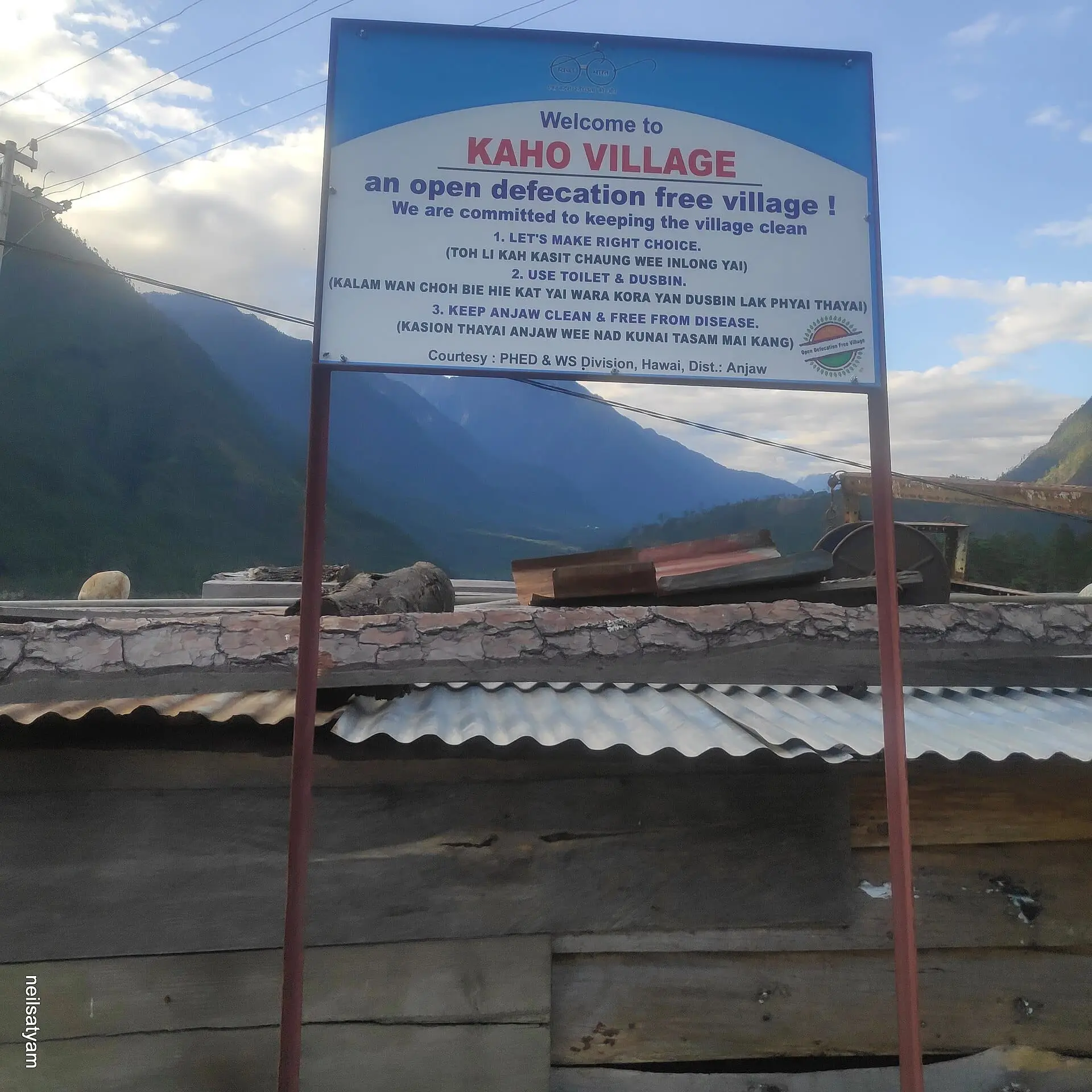
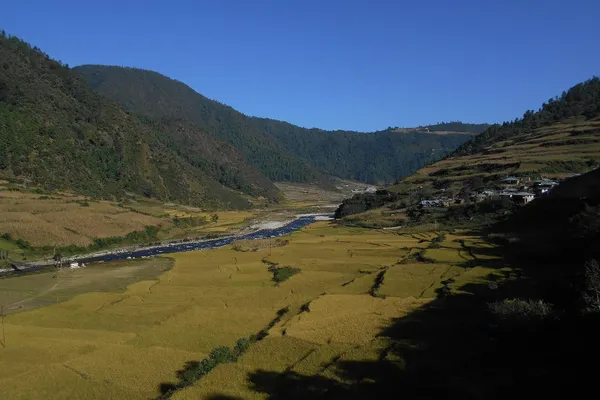
Kaho village in the upper Lohit valley north of Walong. Photo: Neil Satyam, CC BY-SA 4.0 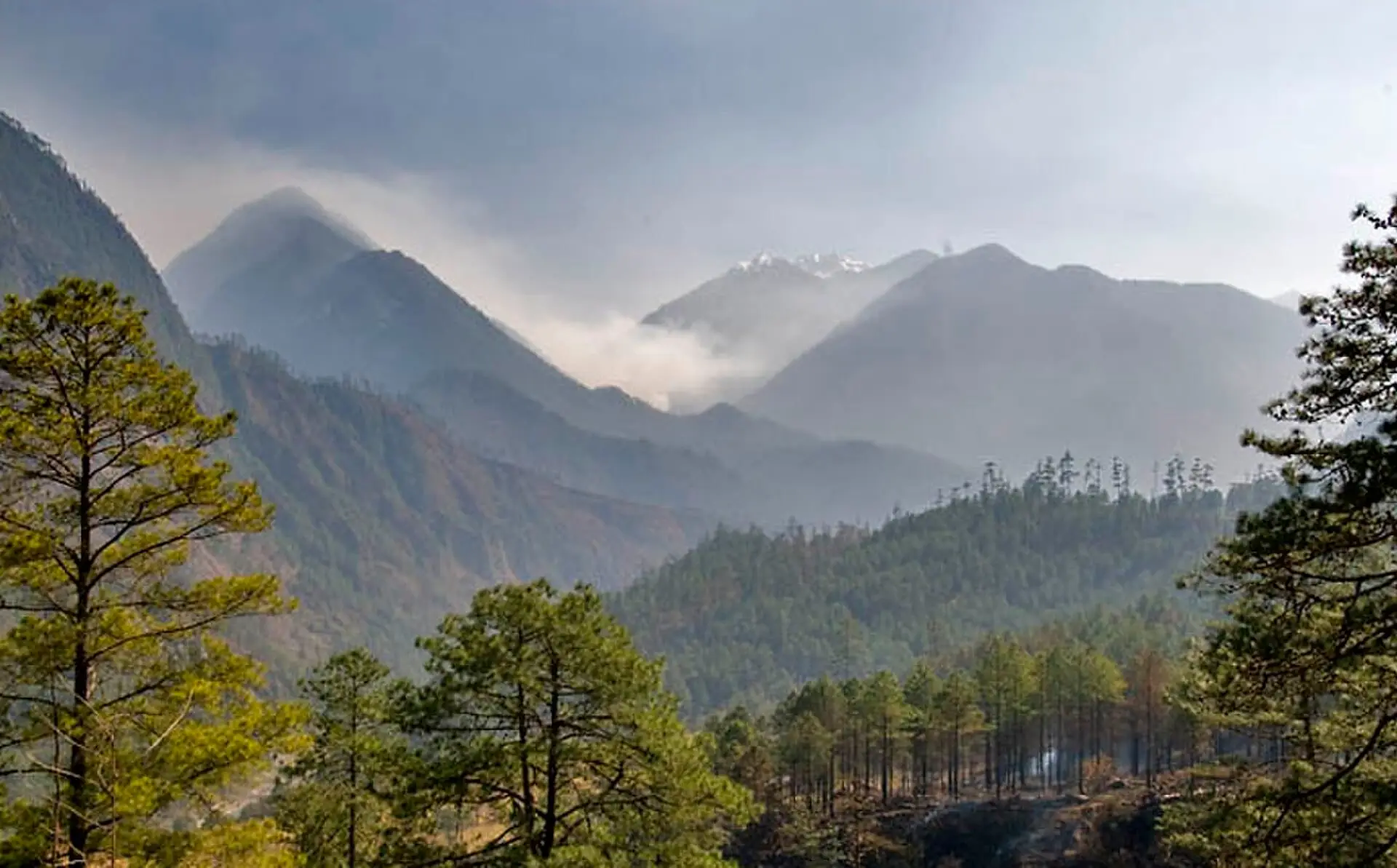
Mountain scenery on the road between Hawai and Kibithu in Anjaw district. Photo: Arif Siddiqui, CC BY 3.0 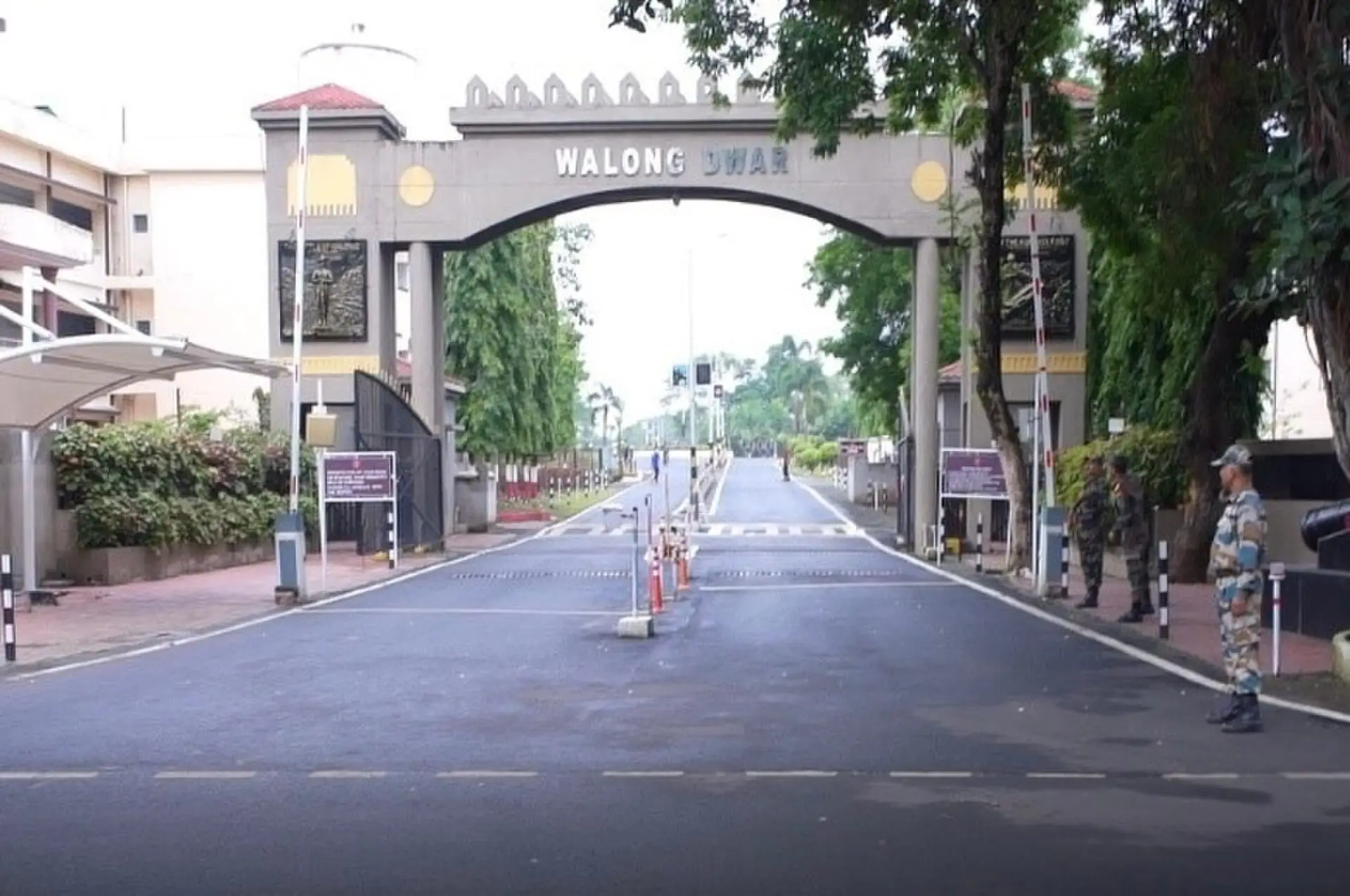
The Walong Dwar gateway at the entrance to Walong. Photo: Infotechno654, CC0 1.0 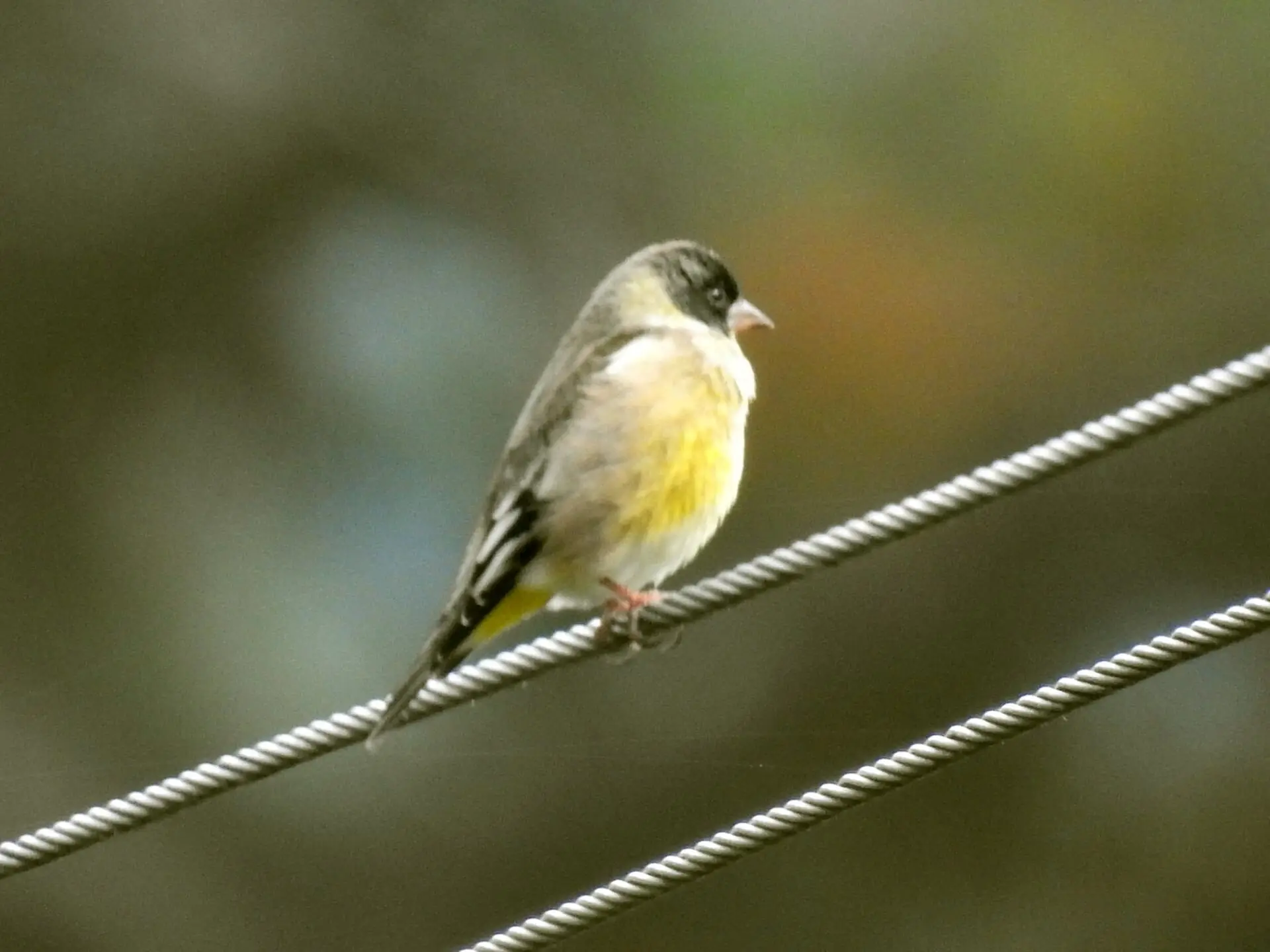
A black-headed greenfinch perched on a branch at Walong. Photo: rohanmenzies, CC BY 4.0 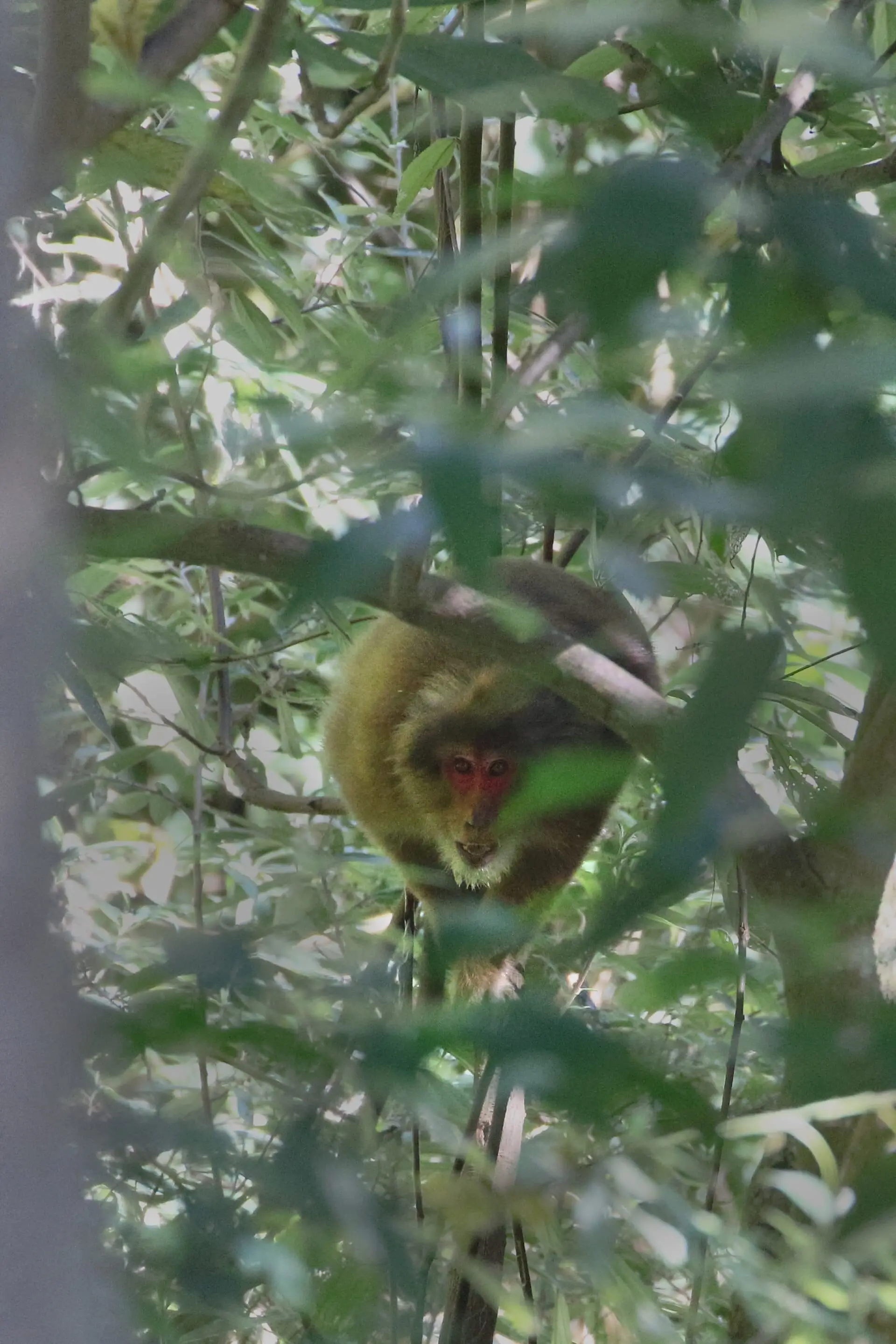
A white-cheeked macaque photographed near Walong. Photo: Dibyendu Ash, CC BY-SA 4.0
Did you know?
First light, found in 1999
It was only in 1999 that Dong was found to see the first sunrise in India, and a millennium sunrise was celebrated here on 1 January 2000.
The Sunrise People
The Meyor, also called the Zakhring, are known as the Sunrise People of the Dong Valley, and their traditions are rooted in sun worship.
A river of blood
The Lohit is sometimes called the river of blood, partly for its reddish soil. It runs about 560 km from Tibet before it meets the Brahmaputra.
A festival for the dawn
The first Sunrise Festival at Dong ran from 29 December 2025 to 2 January 2026, opening with Meyor rituals.
Festivals in and around Dong Valley
Worth timing your trip around. Rooms fill up fast at festival time, so plan early.
Sunrise Festival
December – January
Discover Dong Valley
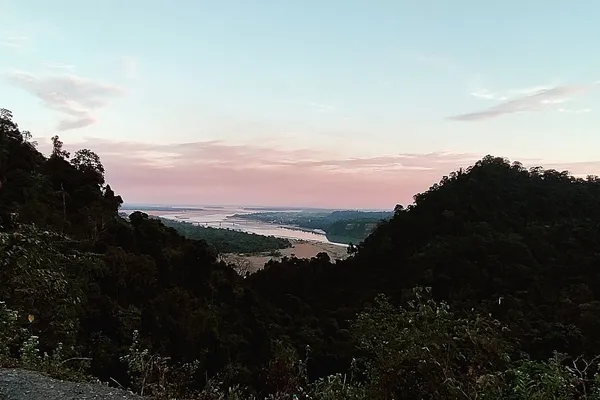
Dong is a tiny village in the far east of Arunachal Pradesh, in the Dong valley of Anjaw district. It sits on the eastern bank of the Lohit river, where the small Sati stream joins it, at about 1,240 metres. Only a handful of families live here, but the village is known across India for one thing: this is where the country sees its first sunrise. People call it India’s Land of the Rising Sun.
Most visitors base themselves in Walong, 7 km away, and climb up above Dong in the dark to watch the first light spill over the mountains. Around that early start you get the wide Lohit valley, quiet Meyor villages, a 1962 war memorial, hot springs and some of the best birding in the Eastern Himalaya. It is a long way to come, and that is part of what makes it special.
Things to do in Dong Valley
Watch India’s first sunrise from Dong
The reason to come. In 1999 Dong was found to catch the first rays of the sun to reach Indian soil, and a millennium sunrise was held here on 1 January 2000. Today visitors walk up to a viewpoint above the village (sometimes called Millennium Point) in the small hours. Allow about one and a half to three hours for the walk, depending on where you start and your pace, and set off between 2 and 3:30 am so you are there before dawn. Carry a good torch, water, snacks and every warm layer you have. The first light over the Lohit valley, with the river far below, is well worth the cold start.
Walk down to the Lohit and Sati confluence
Below the village, a trail leads down to the Lohit river where the Sati joins it. Clear pools along the riverbank are fed by warm springs, and visitors like to sit and soak their feet. You will also pass open grassy slopes, pine trees and hanging footbridges over the river.
Visit the Walong War Memorial and Helmet Top
Walong was the scene of a hard-fought battle in the 1962 war. A memorial to the Indian soldiers stands beside the airstrip, and another at Helmet Top, about 18 km uphill from Walong at 2,250 metres, marks the place where helmets and gear were found after the fighting. Both are quiet, moving places, so please treat them with respect and follow any rules about photography.
Drive up the Lohit valley towards Kibithu
North of Walong the road follows the Lohit towards Kibithu, about 20 km away, close to where the river enters India from Tibet. Kaho, one of the last villages near the border, has a hanging bridge over the river. There is nowhere to stay at Kaho or Kibithu, so go as a day trip from Walong and check locally that the road is open.
Soak in the hot springs at Tilam
Tilam, near Walong, has hot springs close to the tourist guest house. After a dawn trek, a warm soak is the best way to spend an afternoon.
Look for birds and wildlife
Dichu Reserve Forest, partly in Walong, is an Important Bird Area with more than 250 species recorded. Birds more usually found in Yunnan and Sichuan turn up here, such as the Yunnan nuthatch, Sichuan leaf warbler and Daurian redstart, and the rare white-bellied heron is sometimes seen on the Lohit riverbed. Namti grassland and the farms near Kaho are good spots. Keep an eye out for the white-cheeked macaque too.
Stargaze
With so little light around, the night sky above Walong is very clear. Sunset comes around 4 to 4:30 pm, and on clear nights the Milky Way shows up early in the evening.
How to reach Dong Valley
By air
The nearest major airport is Dibrugarh (Mohanbari) in Assam, about 384 km from Walong, or roughly 13 hours by road. Tezu, on the way, has a small airport with limited flights; check what is running before you plan around it.
By train
The nearest railway station is New Tinsukia Junction in Assam, about 335 km from Walong.
By road
The usual route is Dibrugarh to Tinsukia, across the Lohit on the Alubari Ghat bridge, then on to Namsai and Tezu. From Tezu the road climbs through Hayuliang or Hawai (the Anjaw district headquarters) to Walong, about 200 km. From Walong, Dong is 7 km on, reached by a short drive and walk.
This is not a road to rush. Beyond Tezu it is narrow in places, with many hairpin bends and frequent landslides, and road widening work can cause long waits. Driving at night is not a good idea, so most people break the journey with a night at Tezu, Hayuliang or Hawai. Shared Sumos run from Tezu, and the trip takes about 10 hours. In the monsoon, from June to September, the road is often impassable.
Best time to visit Dong Valley
October to May is the best time to visit Dong Valley.
- Winter (December and January): the coldest months, around 3°C, with crisp clear skies and snow on the upper ridges. Very popular for the New Year sunrise, when the Sunrise Festival is held.
- Spring (February to May): days around 8 to 14°C, rhododendrons and orchids in flower in March and April, and the best months for birds. Some pre-monsoon showers start in March.
- Monsoon (June to September): heavy rain and landslides. Best avoided.
- Autumn (October and November): the rain clears and the road usually starts to settle.
Permits and practical tips
- Permits: Indian visitors need an Inner Line Permit (ILP) for Arunachal Pradesh. Apply on the official online ILP portal before you go, and carry printed copies, two passport photos and photo ID. There is a check post at Dirik, about 137 km beyond Tezu. Foreign nationals need a Protected Area Permit and should confirm which border areas it covers.
- Cash: carry enough cash from Tezu, and draw more at Hawai at the latest. Do not count on card payments or ATMs further on.
- Network: expect weak or no mobile signal in places along the Lohit valley.
- Weather: dense fog is common, and showers can drop the temperature quickly. Pack warm layers for every season, plus a rain jacket and good walking shoes.
- Early nights: with sunset around 4 to 4:30 pm, plan your days to start early and finish before dark.
- Respect the border: this is a sensitive area close to the international border. Carry your ID, follow instructions at army and police posts, and do not photograph military sites.
- Leave no trace: carry your rubbish back out. The state has asked visitors to the Sunrise Festival to leave no trash.
Where to stay
Dong has very little in the way of stays, so most visitors sleep in Walong. Here you will find a few family-run homestays and basic government lodges. Tilam, nearby, has a tourist guest house close to the hot springs. Further back down the road, Tezu has hotels, and Hawai has homestays and government guest houses, though the guest houses are hard to book. Kaho and Kibithu have nowhere to stay. Around New Year, book well ahead.
A suggested itinerary
Day 1: Dibrugarh to Tezu. Fly into Dibrugarh or arrive by train at Tinsukia, then drive via the Alubari Ghat bridge and Namsai to Tezu.
Day 2: Tezu to Walong. A long day up the Lohit valley through Hayuliang or Hawai. Start early, stop often, and arrive in Walong before dark. If the drive feels too long, add a night in Hayuliang or Hawai.
Day 3: Dong sunrise and the river. Wake around 2 am, drive to Dong and walk up to watch India’s first sunrise. Come down, rest, then visit the Lohit and Sati confluence, the Walong War Memorial and Helmet Top. End the day in the hot springs at Tilam.
Day 4: Kibithu and back towards Tezu. If the road is open, take a morning drive towards Kibithu and Kaho, then start back down the valley and break the journey on the way to Dibrugarh.
Dong Valley: questions people ask
Where is Dong Valley?
Dong is a tiny village in the Dong valley of Anjaw district, in the far east of Arunachal Pradesh. It sits on the eastern bank of the Lohit river where the Sati stream joins it, about 7 km from Walong and close to the meeting point of India, China and Myanmar.
Is Dong really the first place in India to see the sunrise?
Dong is widely known as the place where India sees its first sunrise, a fact noticed in 1999. It is one of the easternmost places in India you can reach by road. It is not the very easternmost point of the country, but it is where most people go to watch the first light.
How do I reach Dong village for the sunrise?
Fly into Dibrugarh or take a train to Tinsukia, then drive via Namsai and Tezu, and on through Hayuliang or Hawai to Walong. Spend the night in Walong, drive a short way to Dong, and walk up to the sunrise point in the dark. Most people break the long road journey with a night at Tezu or Hayuliang.
How long is the Dong sunrise trek?
Allow about one and a half to three hours to walk up to the viewpoint, depending on where you start and your pace. Trekkers usually set off between 2 and 3:30 am to be there before first light. Carry a torch, water and warm layers, as it is very cold before dawn.
What is the best time to visit Dong Valley?
October to May is the best window. December and January are the coldest, around 3°C, with clear skies and snow on the high ridges, while February to May brings flowers and the best birding. June to September is the monsoon, when the road often becomes impassable.
Do I need a permit to visit Dong and Walong?
Yes. Indian visitors need an Inner Line Permit for Arunachal Pradesh, available on the official online ILP portal. There is a check post at Dirik on the road beyond Tezu. Foreign nationals need a Protected Area Permit and should check which areas near the border it covers.
Where can I stay near Dong?
Dong itself has very little, so most people stay in Walong, which has a few homestays and basic government lodges. Tilam, nearby, has a tourist guest house close to hot springs. Book ahead, especially around New Year.
How far is Walong from Tezu?
Walong is about 200 km from Tezu by road. The road is narrow in places, with many hairpin bends and frequent landslides, so it takes most of a day and driving after dark is not a good idea.
Want to see Dong Valley with us?
Tell us your dates and who is coming. We will put together a custom trip or a ready package to Dong Valley, with stays, a car and a local guide, and send it to you on WhatsApp.
More places nearby
 Arunachal Pradesh
Anini
Plan a trip to Anini in Dibang Valley: the drive over Mayodia Pass, Idu Mishmi villages, the best time to visit, permits and how to reach this far-off town.
 Arunachal Pradesh
Mechuka
Plan a trip to Mechuka (Menchuka) in Arunachal Pradesh: a quiet valley on the Siyom river, an old monastery, how to reach, the best time to go and permits.
 Arunachal Pradesh
Dirang
Plan your Dirang trip: the old Dzong, hot springs, Sangti Valley and Bomdila monastery, plus how to reach, the best time to visit and the permits you need.
Sources
Last checked 17 November 2026. Rules, roads and opening months change, so check with us or the local authorities before you travel.
- Wikipedia: Dong, Arunachal Pradesh
- Wikipedia: Walong
- Wikipedia: Anjaw district
- Wikipedia: Lohit River
- Anjaw district administration: Dong
- Nature inFocus: Walong guide
- Outlook Traveller: A quick guide to Dong
- EastMojo: First Sunrise Festival begins with Meyor rituals
- Dibang Valley district administration: Permits and how to reach