

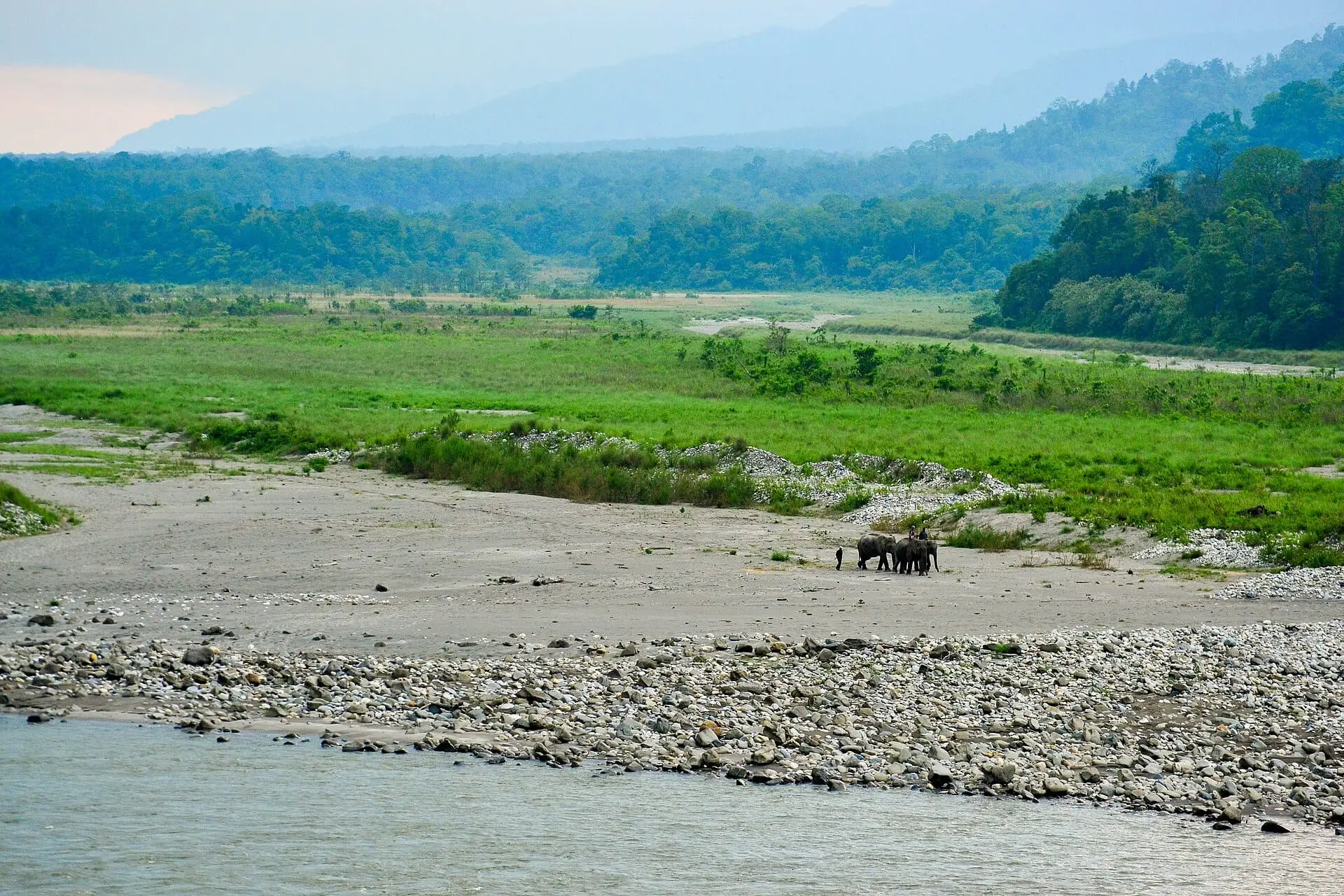
Manas National Park Travel Guide: Safaris, Mathanguri and Season
Plan your trip to Manas National Park in Assam: tigers, golden langurs, wild buffalo, jeep safaris, the river at Mathanguri, the season and how to reach.
Photo: Lonav Bharali, CC BY-SA 4.0
Manas at a glance
- Best time
- November to April
- Park season
- Reopens in early October, shut in the monsoon
- Nearest airport
- Guwahati, about 135 to 175 km
- Nearest railway station
- Barpeta Road, about 20 to 22 km
- By road
- Guwahati, about 3 to 5 hours via Barpeta Road
- Permits
- No ILP for Assam; safari permits needed
- Ideal stay
- 2 to 3 nights
Photos of Manas
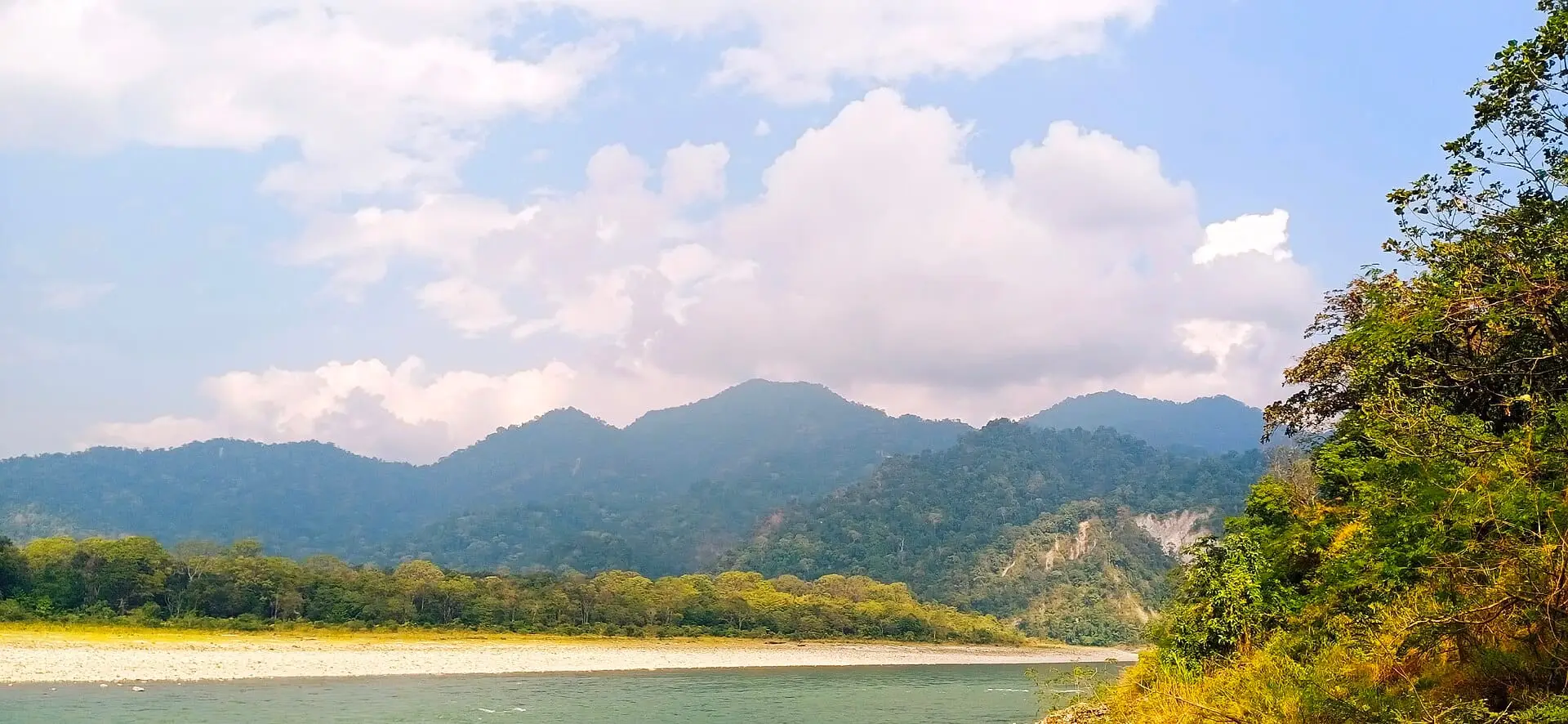
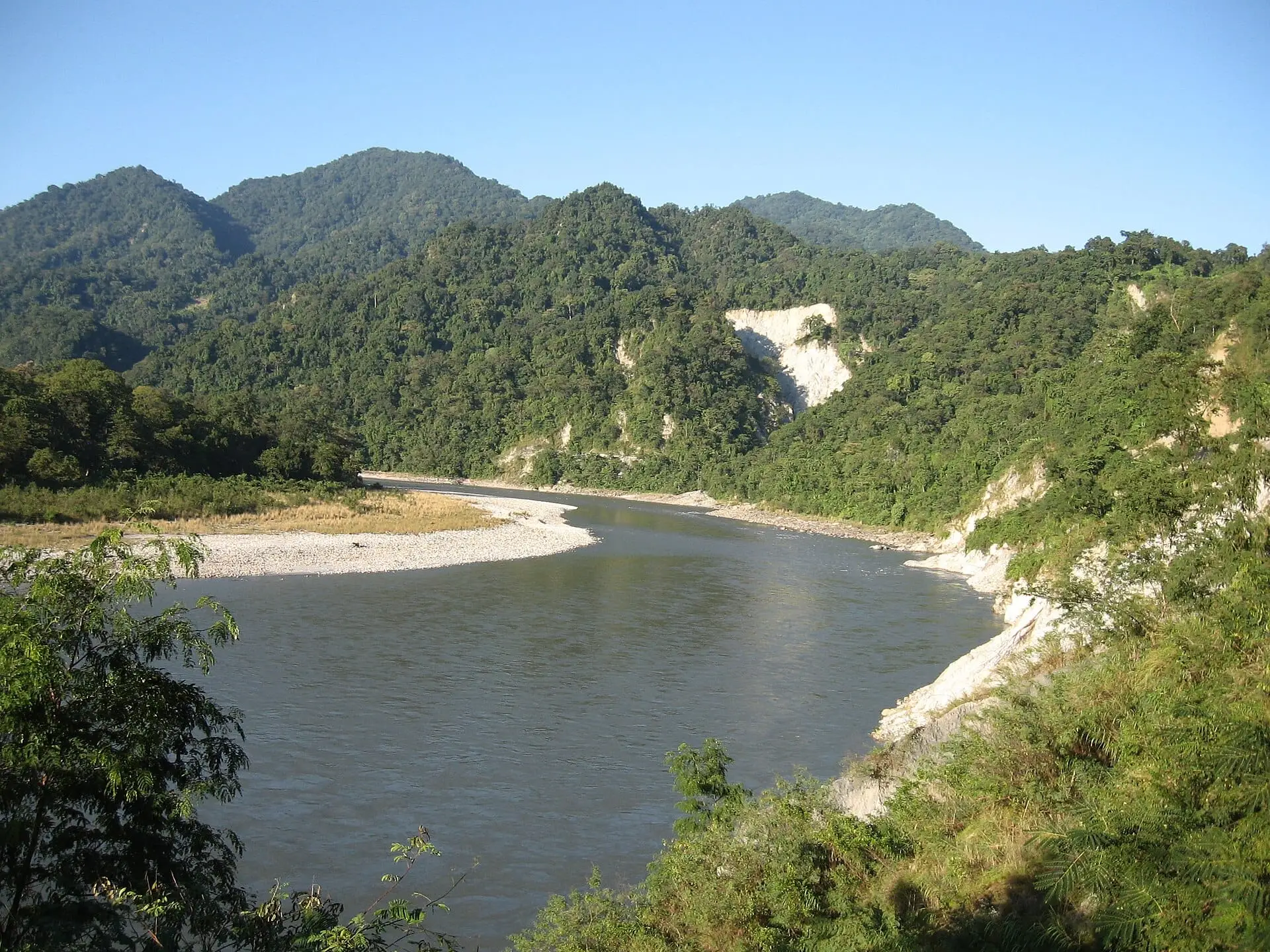
The hills of Bhutan seen across the stony banks of the Manas river. Photo: Chiring chandan, CC BY-SA 4.0 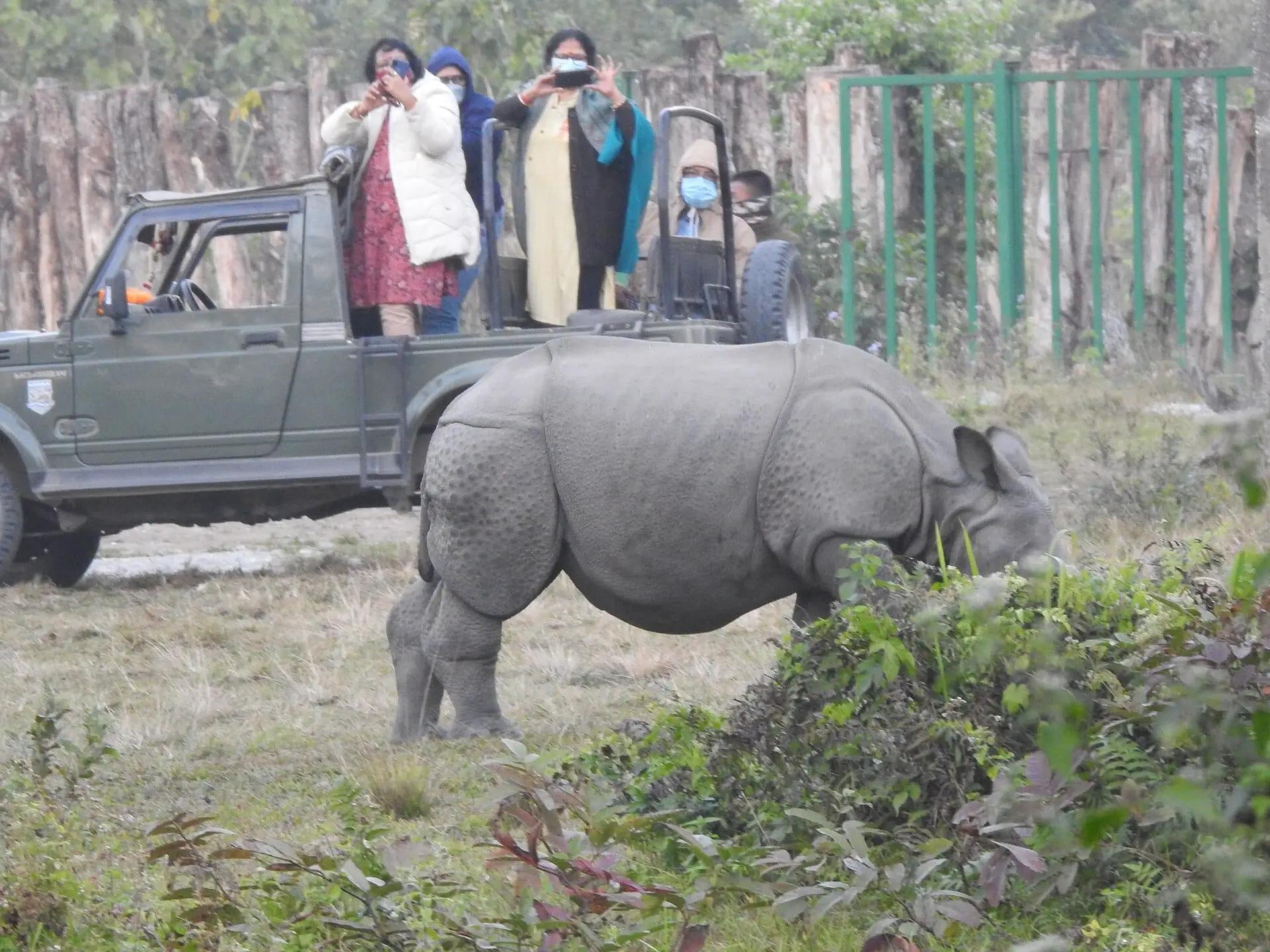
A one-horned rhino in the grassland of Manas National Park. Photo: PJeganathan, CC BY-SA 4.0 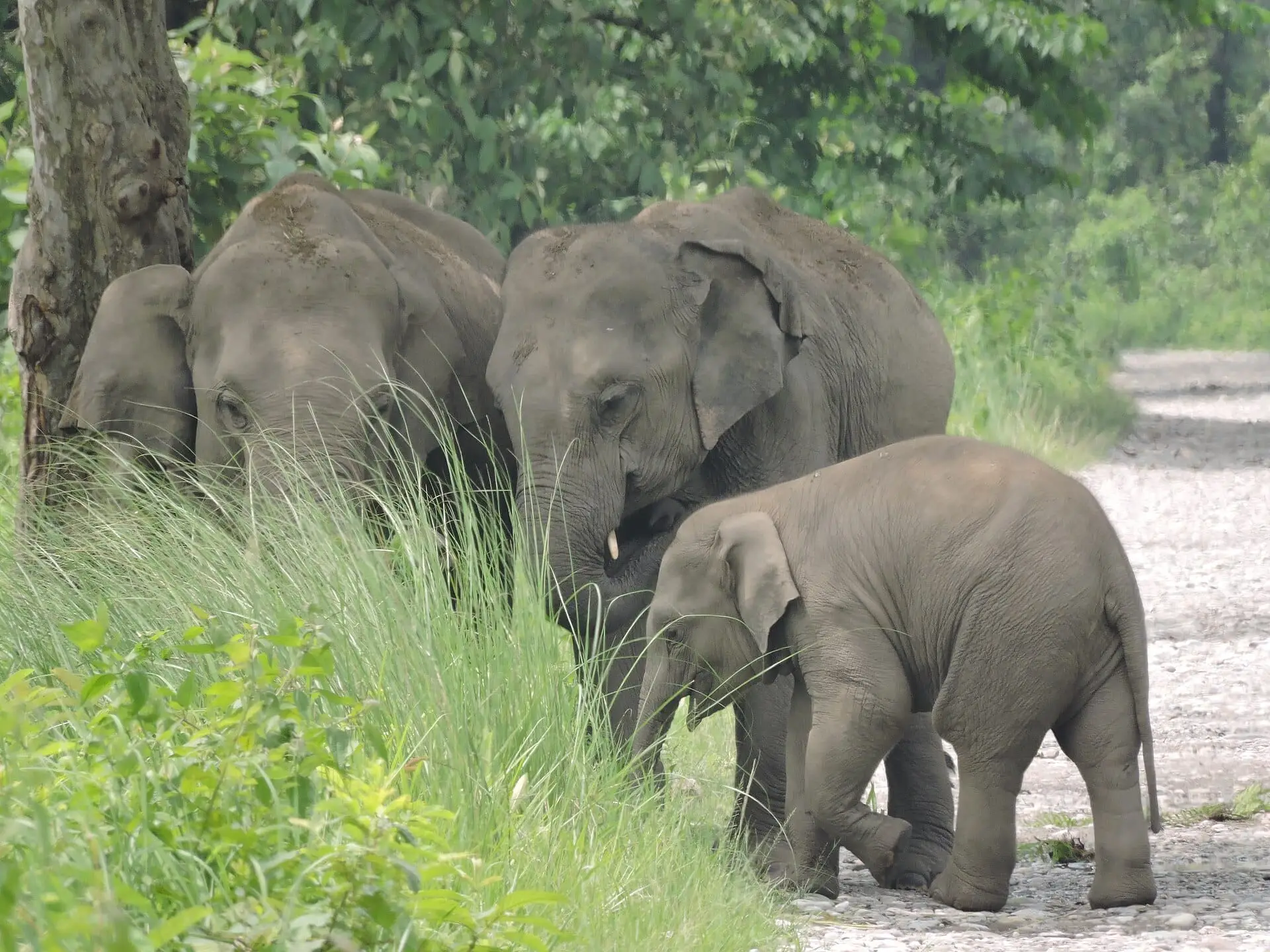
A herd of wild elephants in Manas National Park. Photo: debanutosh, CC0 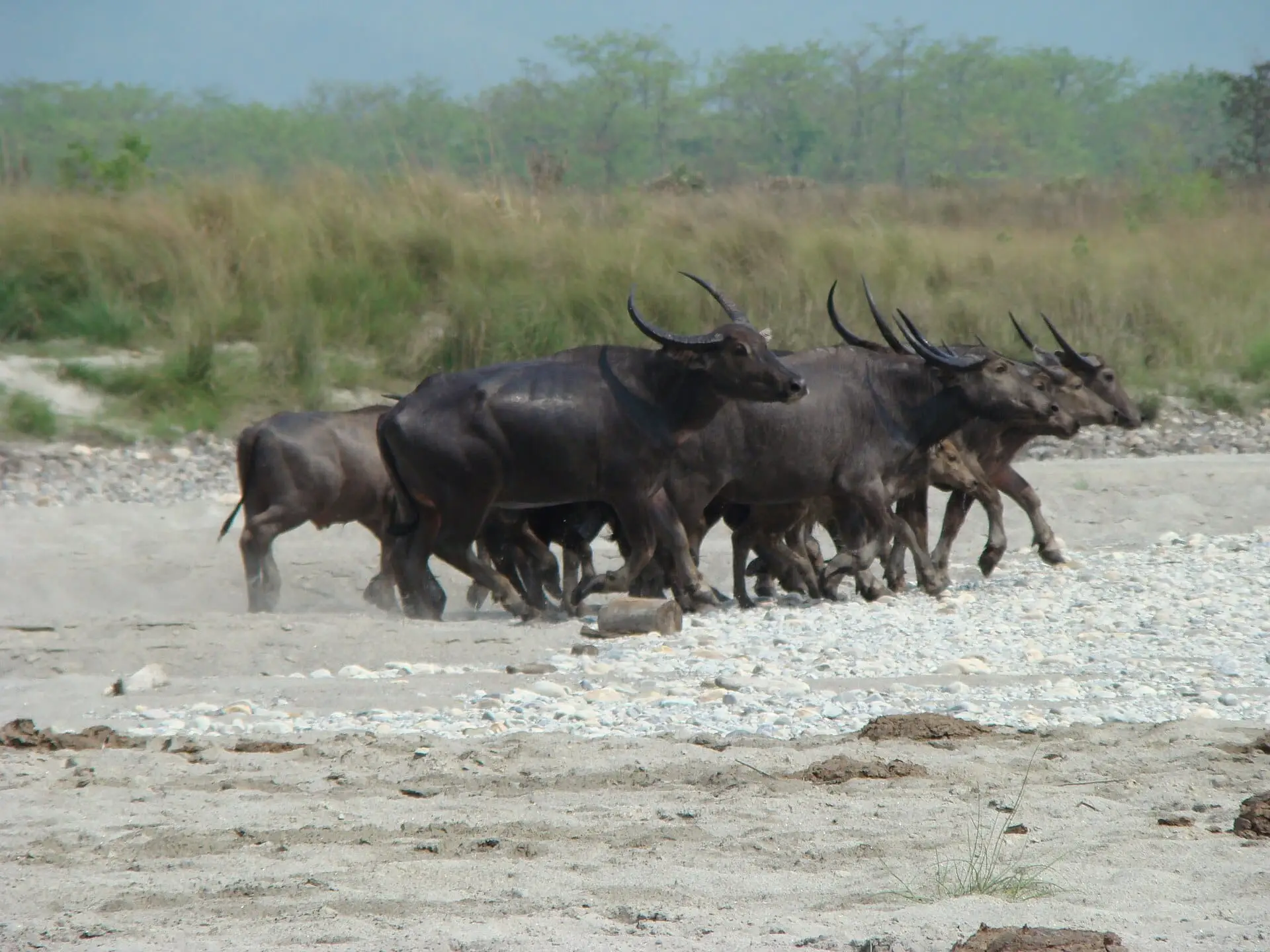
A herd of wild water buffalo on the bank of the Manas river. Photo: Dasdhritiman, CC BY-SA 4.0 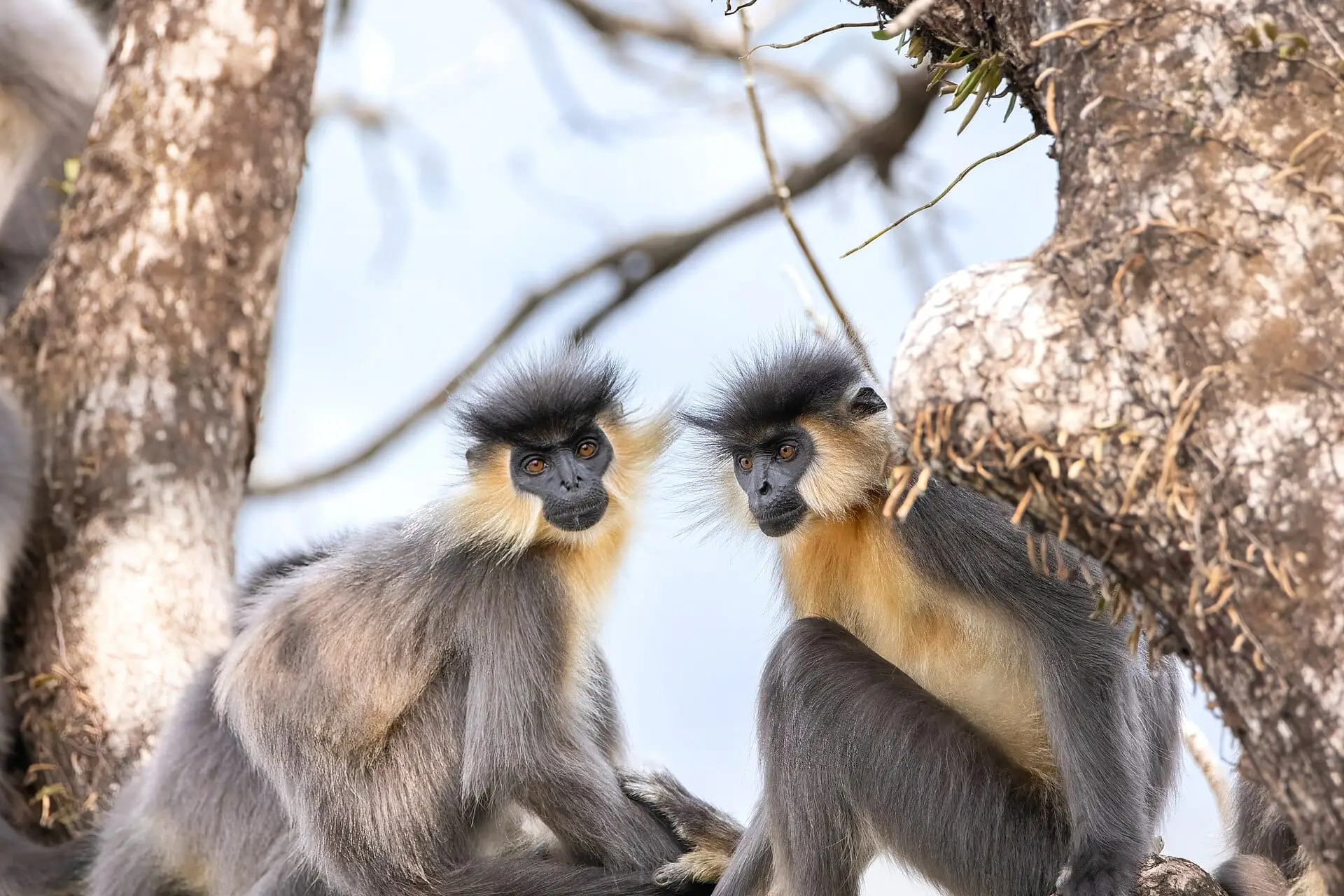
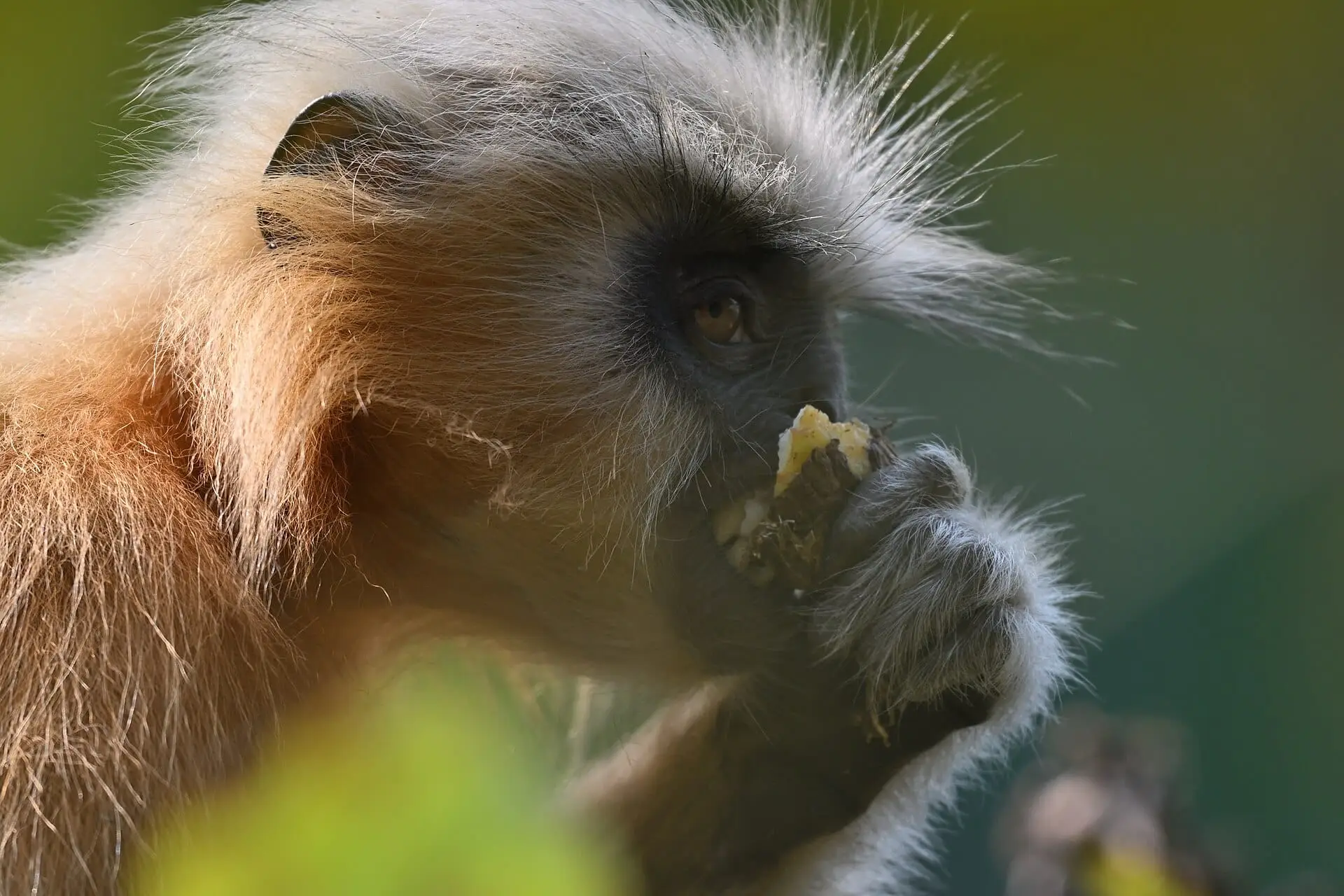
A pair of capped langurs sitting in a tree beside the Manas river. Photo: Krunal Desai - Wildlife Photography, CC BY-SA 4.0 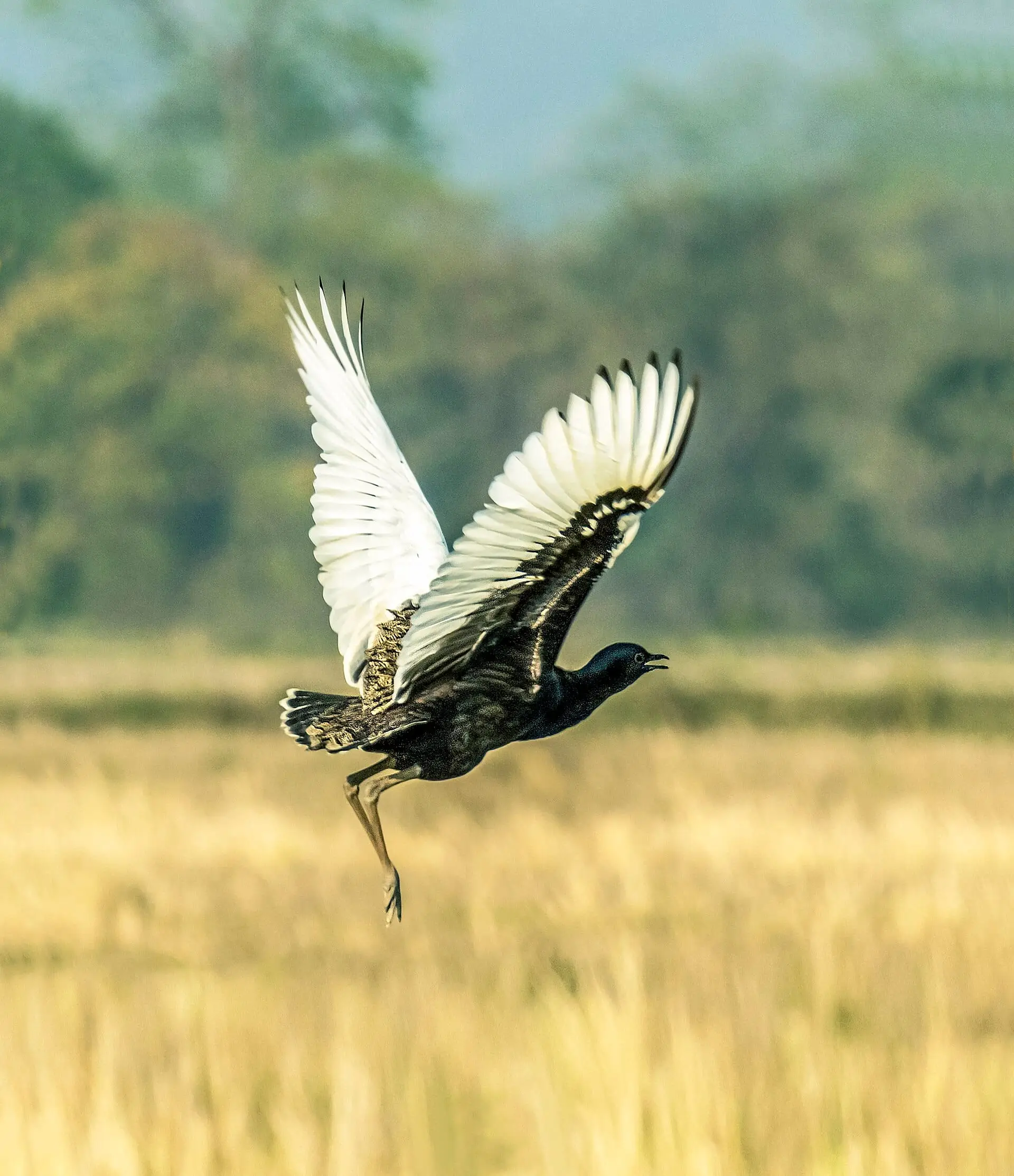
A male Bengal florican in flight over the grassland of Manas National Park. Photo: Jbaishya, CC BY-SA 4.0 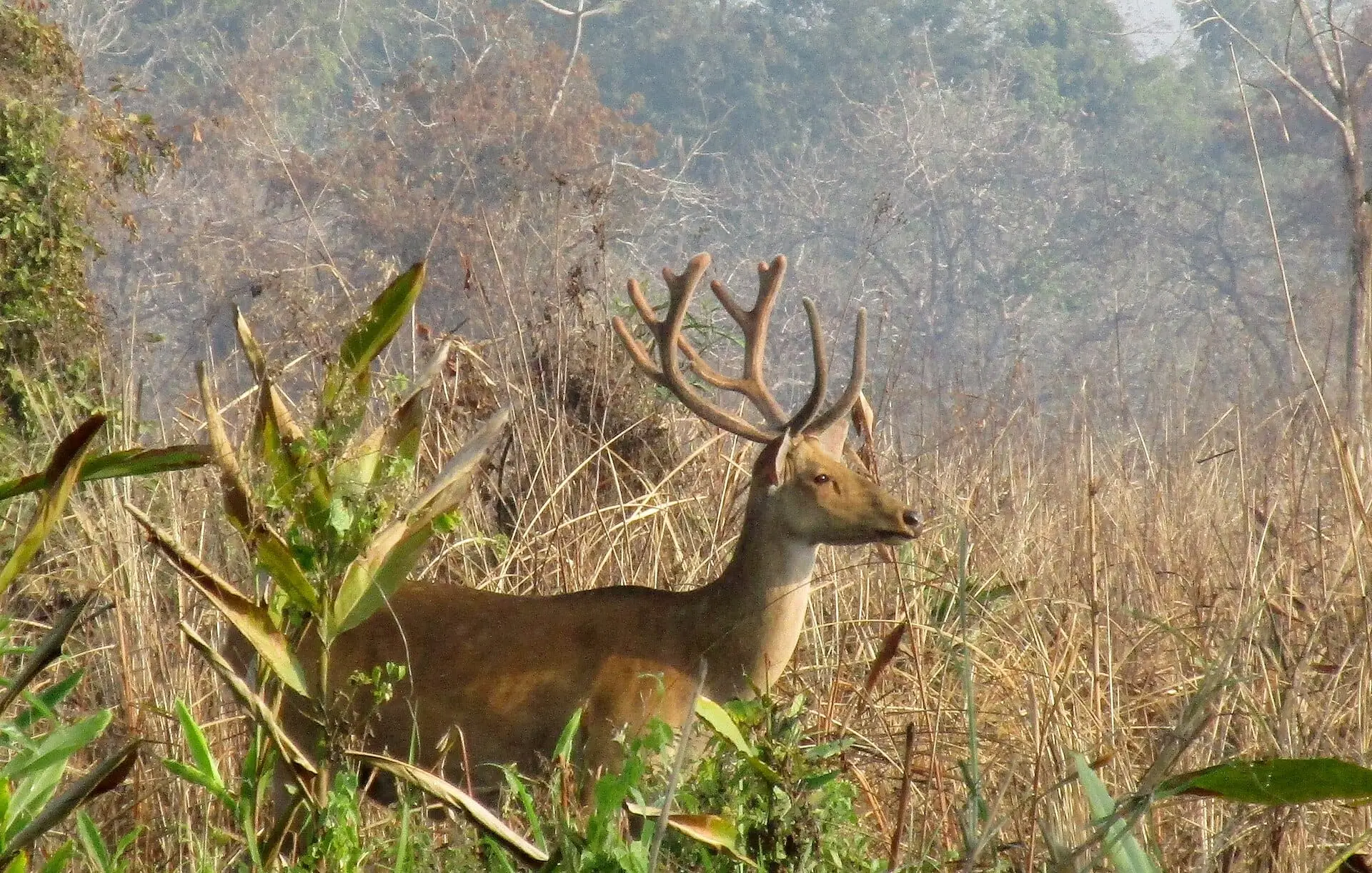
A swamp deer standing in the grass at Manas National Park. Photo: Debuapriyo, CC BY-SA 4.0
Did you know?
One park, two countries
The Manas river forms the border between India and Bhutan here. Across it lies Royal Manas National Park, set up in 1966 and the oldest national park in Bhutan, so the forest carries on well beyond the river.
The smallest pig in the world
Manas is the one place where the pygmy hog, the smallest pig in the world, still lives naturally in the wild. Hogs released here in 2024 brought the count in the park to 63.
The rhinos are back
Rhinos were brought back to Manas in 2007, and today more than 50 roam the park again. Manas is a UNESCO World Heritage Site.
A monkey named after a naturalist
The golden langur is named after E. P. Gee, who brought it to wider notice in the 1950s. Its coat changes with the seasons, from cream in summer to a deep golden or chestnut in winter.
Discover Manas
Manas National Park lies in western Assam, right at the foot of the Himalayas, where the Manas river comes rushing out of Bhutan. It is a mix of tall grassland, river islands and thick forest, with the blue hills of Bhutan rising just across the water. Manas is a UNESCO World Heritage Site, a tiger reserve, an elephant reserve and a biosphere reserve, and it is home to animals you will struggle to find anywhere else: the golden langur, the pygmy hog, the hispid hare and the Assam roofed turtle.
It is also a park with a story of coming back. Years of unrest and poaching put Manas on UNESCO’s danger list from 1992 to 2011. Since then rhinos have returned, visitor numbers have grown steadily (more than 63,000 people came in the 2025 to 2026 season), and the park feels wild and uncrowded. This Manas National Park travel guide covers the safaris, Mathanguri, how to reach, the best time to visit and a simple plan for two or three days.
Things to do in Manas National Park
Take a jeep safari
A jeep safari is the main way to see the park. Rides run in the Bansbari range (Central), which is the easiest to reach, and in the Bhuyanpara range (Eastern), near Pathsala. Each drive lasts about three hours, usually once in the morning and once in the afternoon. The track takes you through grassland, sal forest and along the rivers, and you may see wild elephants, wild water buffalo, gaur, swamp deer, hog deer and capped langurs in the trees.
Manas has tigers, leopards and the shy clouded leopard, but they are hard to spot, so treat a big cat as a bonus. Rhinos were brought back to Manas in 2007, and the park now has more than 50 of them.
The park has other ranges too: Panbari (Western) and Kuklung. Each range closes one day a week. In the 2026 to 2027 season it is Tuesday for Bansbari, Thursday for Bhuyanpara, Friday for Panbari and Wednesday for Kuklung.
Ride out on an elephant
Elephant safaris run in the Bansbari range in the early morning. They take you into the tall grass, where jeeps cannot go, and they are a good way to get close to grazing animals in the first light.
Spend time at Mathanguri
Mathanguri is the heart of most trips to Manas. It sits deep inside the park on the bank of the Manas river, right at the Bhutan border, with forest on both sides and the hills of Bhutan rising behind. You can sit by the water, watch for birds, and take a guided nature walk along the river with a forest guard. It is a place to slow down.
Raft down the Manas river
When boats and boatmen are available, you can take a rubber-boat trip from Mathanguri down to Bispani, about 35 km, which takes roughly three to four hours. Along the banks look out for elephants, wild buffalo and smooth-coated otters. Arrange a vehicle to meet you at the end.
Look for golden langurs and other rare animals
The golden langur is a small monkey with a cream to golden coat that turns darker in winter. You may see one on the Mathanguri trail or in the Panbari range, but the best place is Kakoijana, about 80 km from Bansbari, where you walk up into the hills. The pygmy hog, the smallest wild pig in the world, lives in the park’s grassland, though it is very rarely seen.
Go birdwatching
Manas is one of the best places for birds in Northeast India, with somewhere between 380 and about 450 species recorded. It has the largest population anywhere of the Bengal florican, a rare grassland bird. Watch also for the great hornbill, the kalij pheasant, kingfishers along the river and birds of prey over the grass. Winter brings many migratory birds.
Visit a Bodo village
The villages around Manas are home to the Bodo people. A visit lets you see village life and watch Bodo women weaving their traditional cloth on handlooms.
How to reach Manas National Park
By air: The nearest airport is Lokpriya Gopinath Bordoloi International Airport in Guwahati. Bansbari is about 135 to 175 km away by road, depending on the route, a drive of about 3 to 5 hours.
By rail: Barpeta Road is the nearest railway station, about 20 to 22 km from the Bansbari gate. Trains from Guwahati, and long-distance trains from Kolkata and Delhi, stop here. A taxi from the station to the park takes about 30 to 40 minutes. For the Bhuyanpara range, the station is about 30 km away.
By road: From Guwahati, follow the national highway west to Barpeta Road, then turn north for Bansbari. Assam State Transport Corporation and private buses run regularly from Guwahati to Barpeta Road, and you can hire a local taxi from there. A hired car from Guwahati is easier, especially if you plan to visit more than one range. The park itself closes in the monsoon, so there is no need to drive here in those months.
Manas lies west of Guwahati and Kaziranga lies east of it, so if you want to see both, Guwahati makes an easy halfway stop.
Best time to visit Manas National Park
November to February: Cool and pleasant, with winter lows around 10°C. This is the best time for birdwatchers, as migratory birds arrive. The grass is still tall in November and December, so big animals can be harder to see.
March and April: The grass is burnt back as part of park management, so animals are easier to spot, and the simul trees flower in March. Afternoons get warm.
May and June: The hottest weeks, with temperatures up to about 37°C, and the park closes for the monsoon from around June.
June to September: The monsoon. Manas gets about 3,000 to 3,300 mm of rain a year, most of it in these months, and the park is shut to visitors.
October: The park reopens in early October. In 2026 it reopened on 2 October. Dates change every year, so check before you plan.
Permits and practical tips
- Permits: Assam does not need an Inner Line Permit. You need a permit for each safari, which your stay or the forest office can help arrange. Book ahead in peak season, as slots are limited.
- Check the closing days: Each range shuts one day a week, so plan your drives around them.
- Network: Expect little or no mobile signal at Mathanguri. Carry a power bank and drinking water.
- Dress for the drive: Winter mornings in an open jeep are cold. Take a warm layer, a cap and something for the dust, and wear dull colours.
- Binoculars: Worth bringing, especially for birds and for langurs high in the trees.
- Cash: Carry some cash for small shops and tips.
- Respect the rules: Stay in the vehicle on safari, keep your voice low and never walk around Mathanguri after dark.
- Bhutan side: The village of Panbang, in Bhutan, is about an hour’s drive along the river from the Indian side. Rules for crossing can change, so carry your passport or photo ID and ask the forest office first.
Where to stay
Most stays are around Bansbari, close to the main gate and a short drive from Barpeta Road. You can choose from homestays in nearby villages, simple lodges, and resorts and jungle camps on the edge of the park, many of which can arrange your safari and guide. Inside the park, the government forest rest house at Mathanguri is the only stay in the core area. It is basic, with power for only a few hours and very few rooms, so book it months ahead if you want to wake up beside the river.
A suggested itinerary
Day 1: Arrival. Drive from Guwahati to Barpeta Road and on to Bansbari, about 3 to 5 hours in all. Settle in and take an evening walk in a nearby Bodo village.
Day 2: Bansbari and Mathanguri. An early elephant safari, then a jeep drive through the Bansbari range up to Mathanguri. Spend time by the Manas river, take a nature walk with a guard, and look across to the hills of Bhutan.
Day 3: Bhuyanpara or the river. A morning jeep safari in the quieter Bhuyanpara range, or a rafting trip from Mathanguri if boats are running. Keep the afternoon free for birdwatching.
Day 4: Golden langurs and onward. If you have the time, make the trip to Kakoijana for golden langurs, then head back to Guwahati. Manas pairs well with a few days in Kaziranga for the rhinos.
Manas: questions people ask
When is Manas National Park open?
Manas closes every year for the monsoon, usually from June, and reopens in early October. In 2026 it reopened on 2 October for the new season. Each range also shuts one day a week (in 2026, Bansbari on Tuesdays and Bhuyanpara on Thursdays), so check before you plan your safari days.
What is the best time to visit Manas National Park?
November to April is the best time. Winter, from November to February, is cool and good for birds. In March and April the grass is burnt back, so animals are easier to see, though it gets warm by the afternoon.
How do I reach Manas National Park from Guwahati?
Drive west from Guwahati to Barpeta Road and then north to Bansbari, the main gate. The trip is about 135 to 175 km depending on your route and takes about 3 to 5 hours. Buses run from Guwahati to Barpeta Road, and you can take a local taxi from there.
Which is the nearest railway station to Manas?
Barpeta Road is the nearest station, about 20 to 22 km from the Bansbari gate. Trains from Guwahati and from further away in India stop here, and a taxi to the park takes about 30 to 40 minutes.
Can I see a golden langur in Manas?
Yes, but you need a little luck and some effort. Golden langurs are sometimes seen on the nature trail at Mathanguri and in the Panbari range. The surest place is Kakoijana, about 80 km from Bansbari, where you walk up into the hills to find them.
What is Mathanguri?
Mathanguri is a spot deep inside the park on the bank of the Manas river, looking straight across at the hills of Bhutan. There is a simple government forest rest house there, the only stay inside the core area, with few rooms and no mobile signal, so book well ahead.
Is Manas better than Kaziranga?
They are different. Kaziranga has many more rhinos and wide open grassland, so sightings come easily. Manas is wilder and quieter, with forest, a fast river and the Bhutan hills behind it, and animals like the golden langur and pygmy hog you will not find in Kaziranga.
Do I need a permit to visit Manas National Park?
Assam does not need an Inner Line Permit. You do need a permit for each safari, which your stay or the forest office can help arrange. Rules can differ for Indian and foreign visitors, so check what applies to you.
Want to see Manas with us?
Tell us your dates and who is coming. We will put together a custom trip or a ready package to Manas, with stays, a car and a local guide, and send it to you on WhatsApp.
More places nearby
 Assam
Nameri National Park
Plan your Nameri National Park trip: rafting on the Jia Bhoroli, forest walks, the rare white-winged wood duck, how to reach and the best time to visit.
 Assam
Kaziranga
Plan your trip to Kaziranga National Park in Assam: one-horned rhinos, jeep and elephant safaris, the four safari ranges, the best time to go and how to reach.
 Meghalaya
Shillong
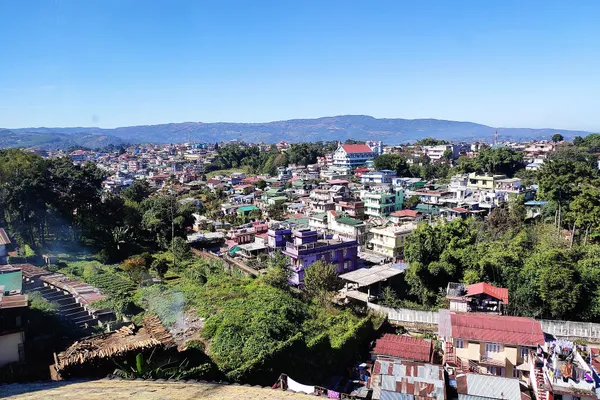
Plan a trip to Shillong in Meghalaya: Ward's Lake, Shillong Peak, Elephant Falls, Laitlum, live music, the best time to visit and how to reach from Guwahati.
Sources
Last checked 18 November 2026. Rules, roads and opening months change, so check with us or the local authorities before you travel.
- Wikipedia: Manas National Park
- Assam Tourism: Manas National Park
- The Sentinel: Manas National Park to reopen for tourists on 2nd October (2026)
- Deccan Chronicle: Assam wildlife season starts 2 October as Manas reopens (2026)
- Free Press Journal: Manas National Park reopens, 5 rare animals to look out for
- Nature inFocus: Manas National Park guide
- Assam Info: Manas National Park
- Big Cats India: Manas National Park
- Manas National Park Online: How to reach
- Wikivoyage: Manas National Park
- Wikipedia: Royal Manas National Park
- Wikipedia: Pygmy hog
- Wikipedia: Gee's golden langur