

Ziro Valley Travel Guide: Apatani Villages, Rice Fields, Pine Hills
Plan a Ziro Valley trip: Apatani villages, rice and fish paddies, pine hills and Talley Valley, plus how to reach, the best time to visit and permits.
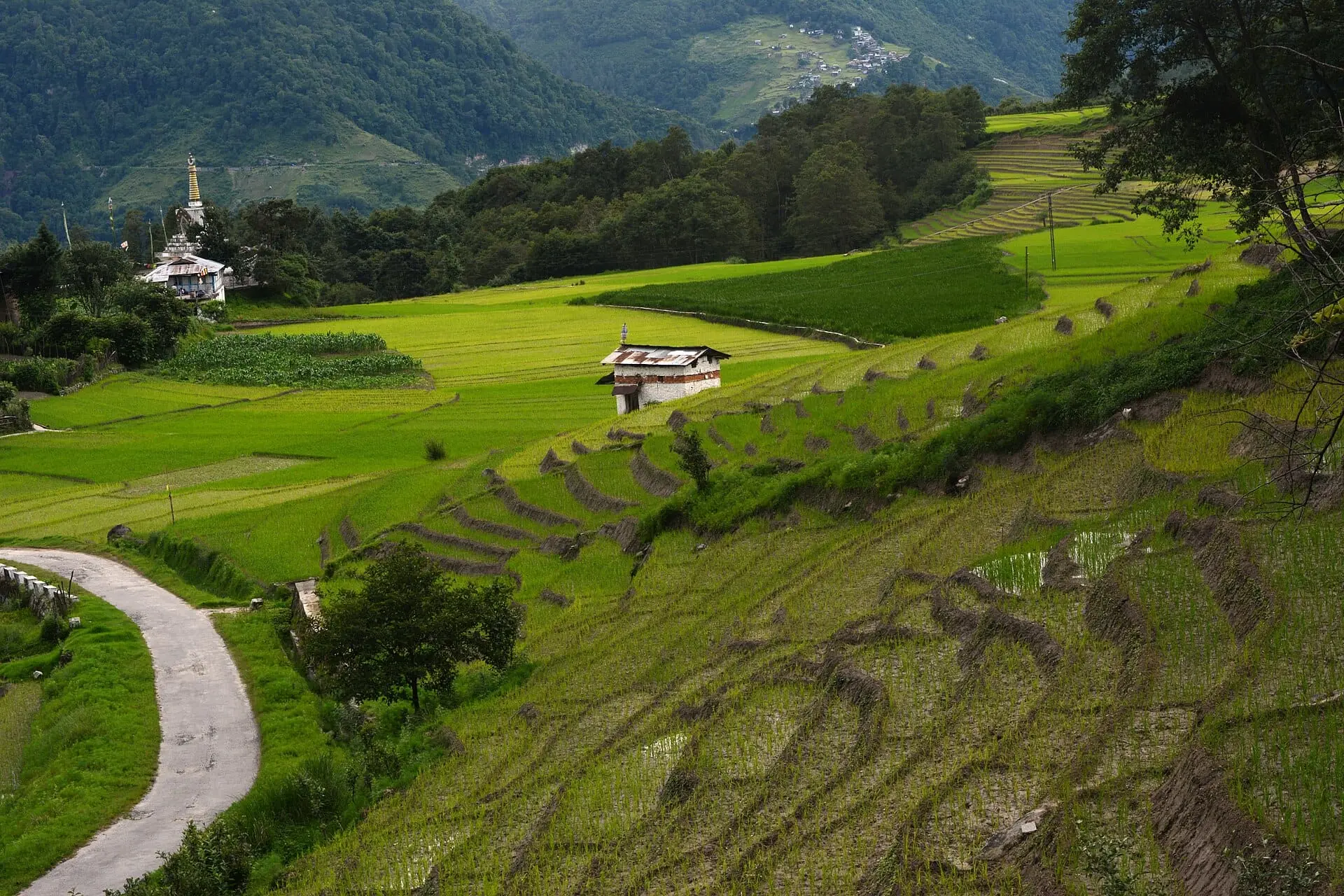
Photo: Ashwani Kumar, CC BY-SA 4.0
Ziro Valley at a glance
- Best time
- March to May, September to November
- Nearest airport
- Lilabari (about 100 to 123 km), Hollongi
- Nearest railway station
- Naharlagun, about 100 km
- By road
- About 115 km from Itanagar, 3.5 to 5 hours
- Permits
- ILP for Indians, PAP for foreign guests
- Altitude
- Valley floor at about 1,500 m
- Ideal stay
- 3 to 4 days
Photos of Ziro Valley
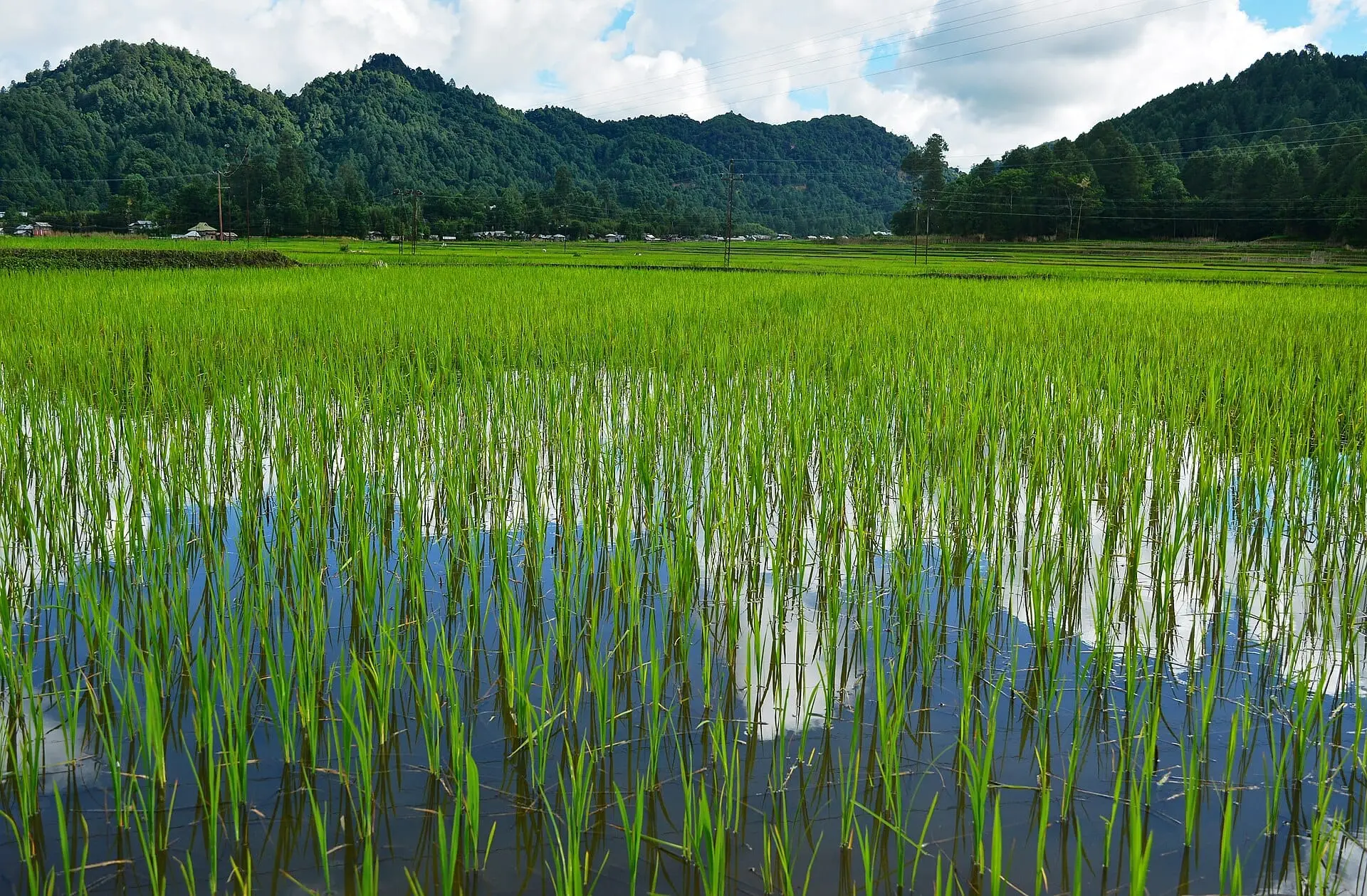
Flooded rice fields in Ziro where fish are raised in the same water as the paddy. Photo: Ashwani Kumar, CC BY-SA 4.0 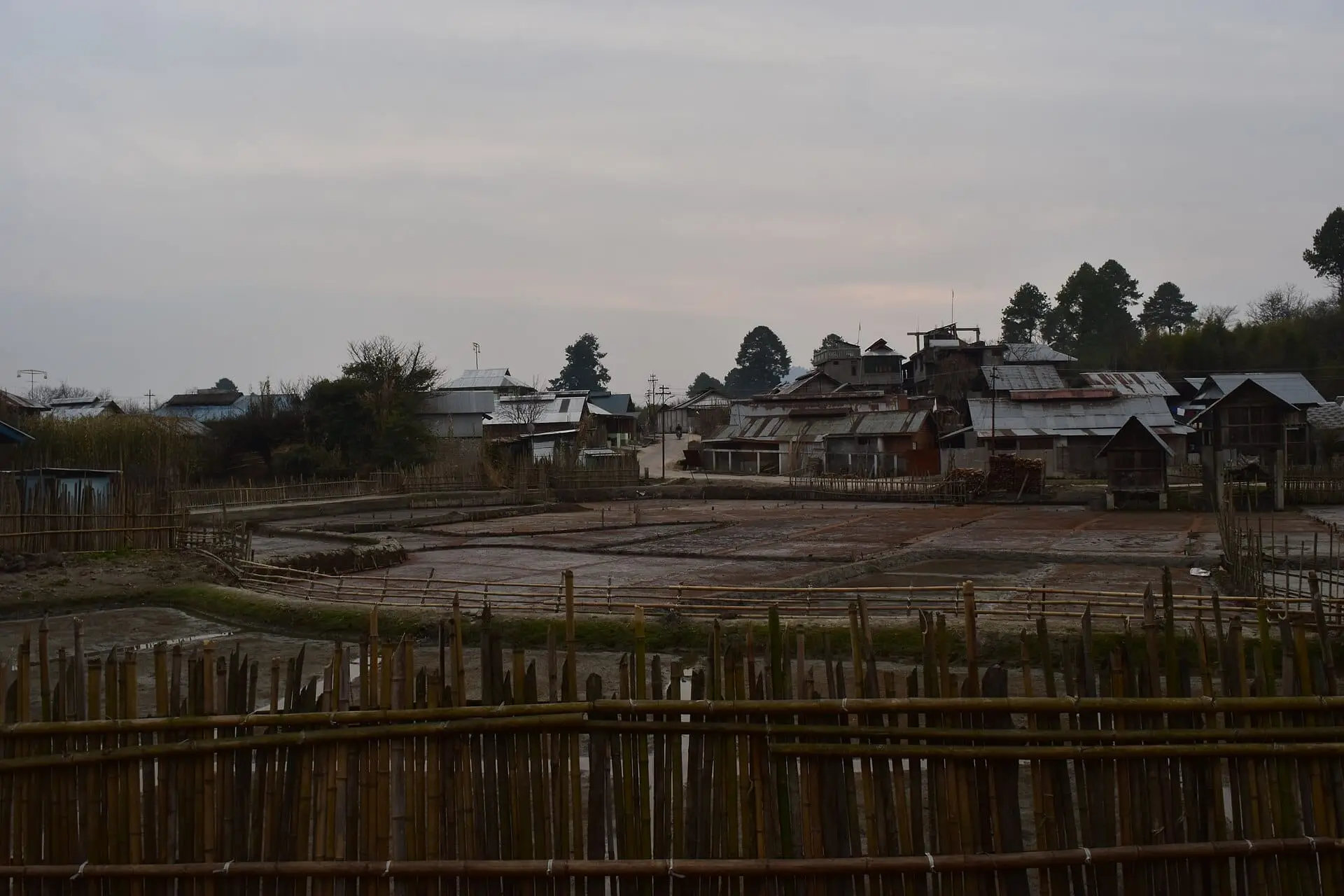
Rice and fish fields divided by low earth bunds in the Apatani valley. Photo: Vamsiiaf, CC BY-SA 4.0 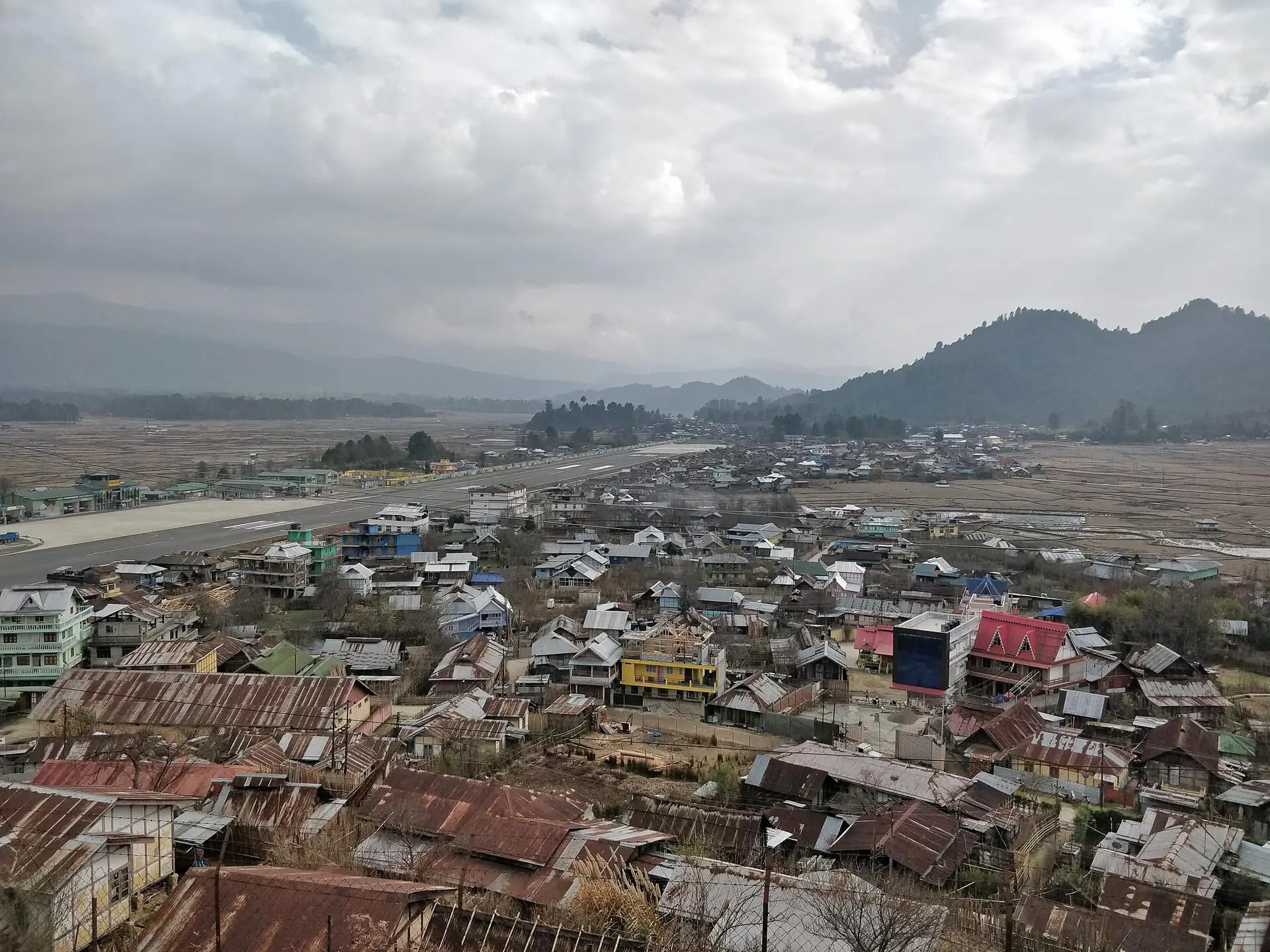
The Old Ziro settlement and its airstrip seen from the hills. Photo: Thinksaurabh, CC BY-SA 4.0 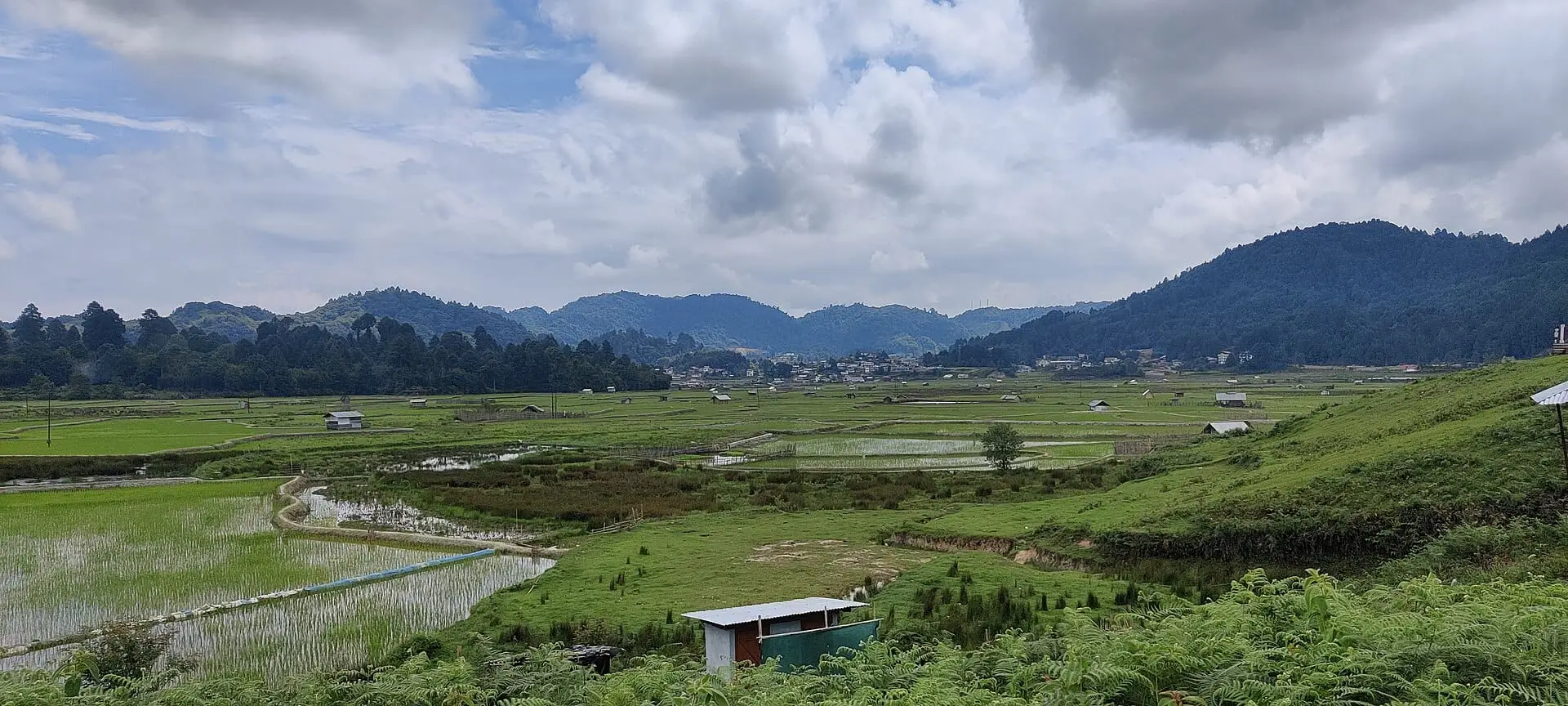
A wide view across the Ziro plateau with fields, houses and wooded hills. Photo: Ganesh Mohan T, CC BY-SA 4.0 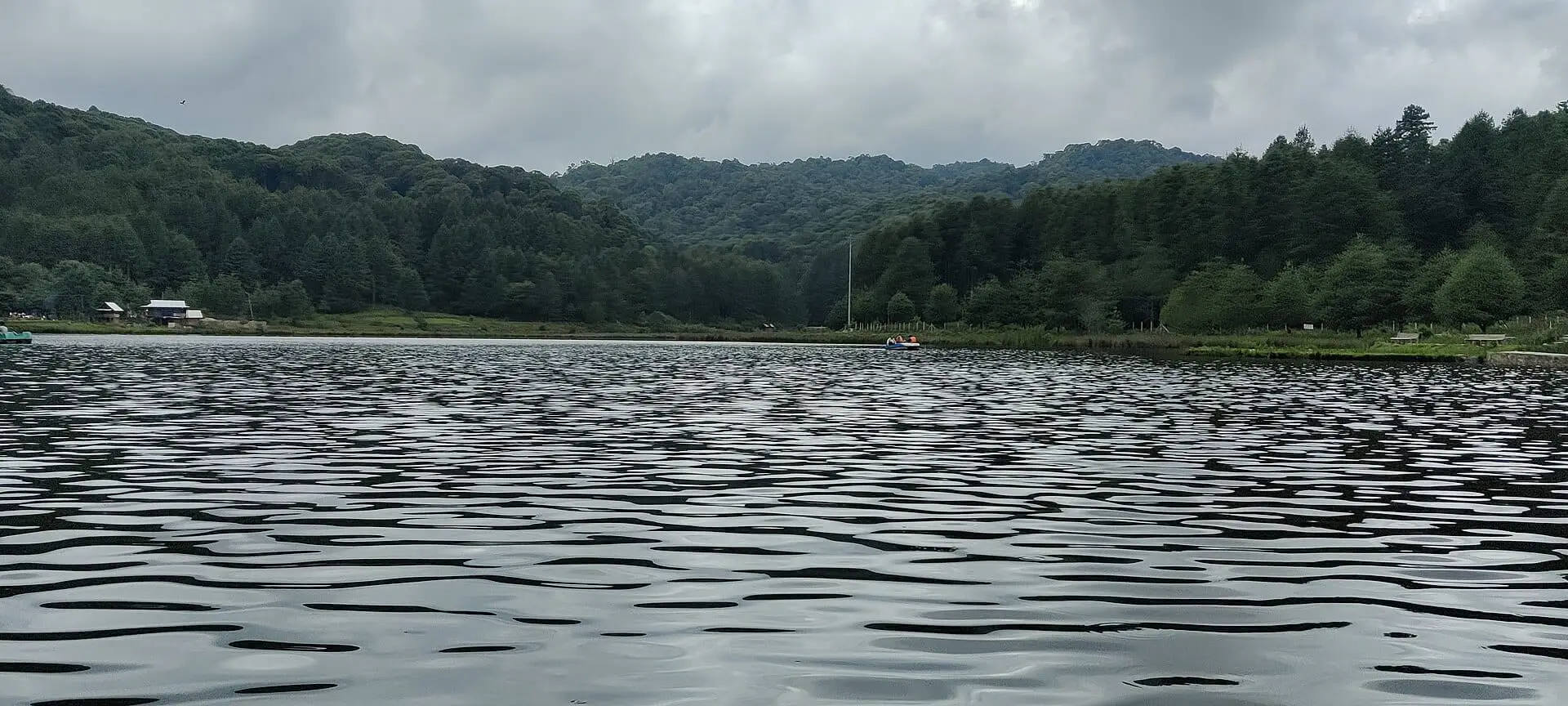
Siikhe Lake near Hapoli, with trees along its banks. Photo: Ganesh Mohan T, CC BY-SA 4.0 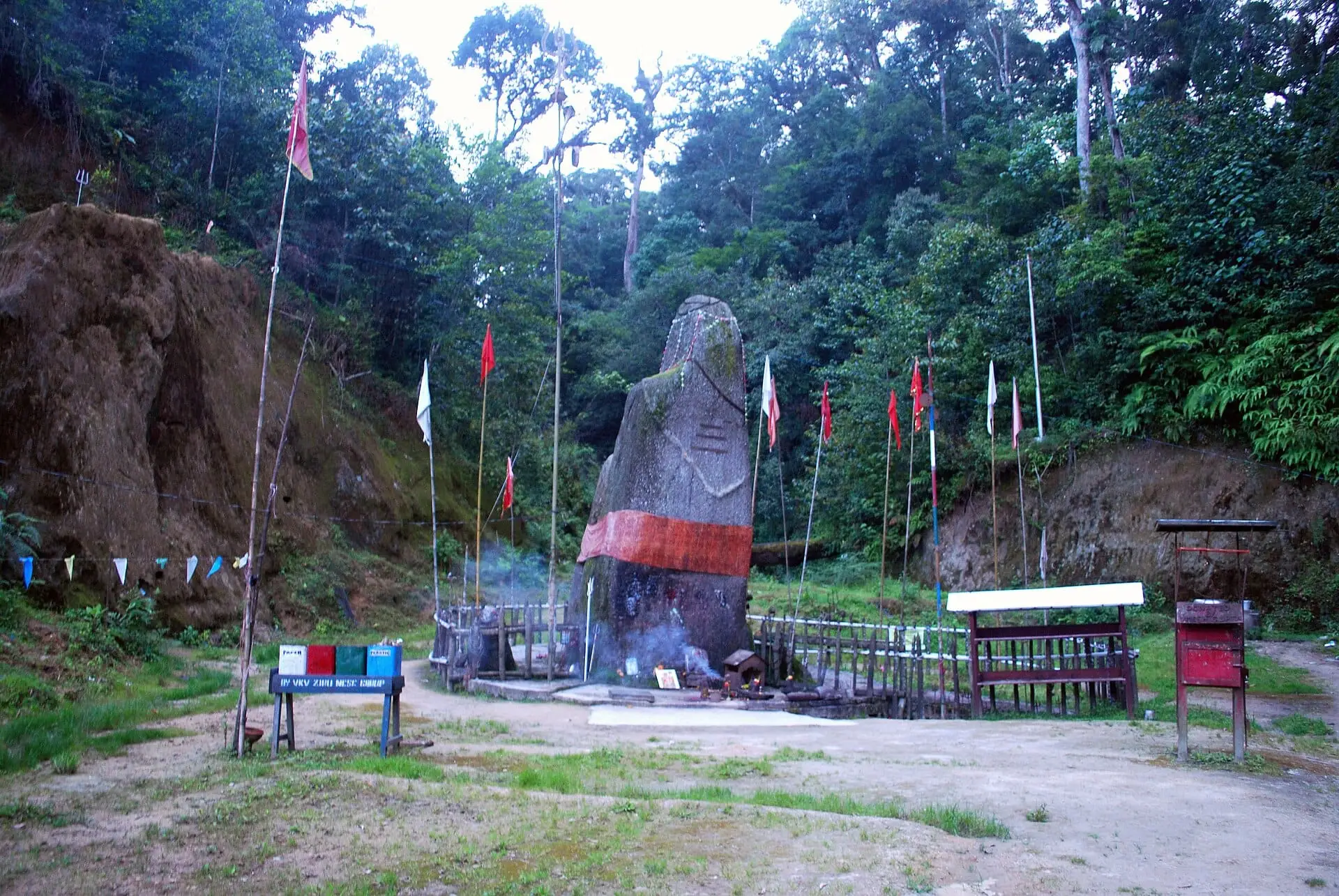
The small Sidheswar Nath temple built around the natural Shiva linga in the forest near Ziro. Photo: Krish9, CC BY 3.0 
A mithun, the semi-wild cattle of Arunachal, grazing in Ziro. Photo: Satyamon1993, CC BY 4.0
Did you know?
Fish in the rice fields
Apatani farmers raise fish in the same flooded paddies as their rice. At Tarin Fish Farm you can see the Mipya and Emoh rice crops growing with the Ngihi fish.
On UNESCO's tentative list
The Apatani cultural landscape of Ziro was added to UNESCO's tentative list for World Heritage status in 2014.
Farming without ploughs or tractors
The Apatani grow wet rice on a large scale without farm animals or machines. It is a settled system, not the shifting jhum farming common elsewhere in the hills.
A bamboo found nowhere else
Talley Valley Wildlife Sanctuary is home to the bamboo Pleioblastus simonii, which the national tourism site says grows only there.
Festivals in and around Ziro Valley
Worth timing your trip around. Rooms fill up fast at festival time, so plan early.
Myoko
MarchDree
JulyZiro Festival of Music
SeptemberCamp with us
Discover Ziro Valley
Ziro Valley sits on a plateau in Lower Subansiri district of Arunachal Pradesh, about 115 km by road from Itanagar. The valley floor, at about 1,500 metres, is a wide spread of rice fields ringed by pine and bamboo hills. Hapoli is the main town, with the market and the government offices, and Old Ziro lies a short way off near the airstrip.
This is the home of the Apatani people, and their way of farming is the reason most people fall for Ziro. They grow rice in flooded fields and raise fish in the same water, without ploughs, animals or machines. The whole Apatani cultural landscape was placed on UNESCO’s tentative list for World Heritage status in 2014. Come for the fields, stay for the villages, the cool air and the slow pace.
Things to do in Ziro Valley
Walk through the Apatani villages
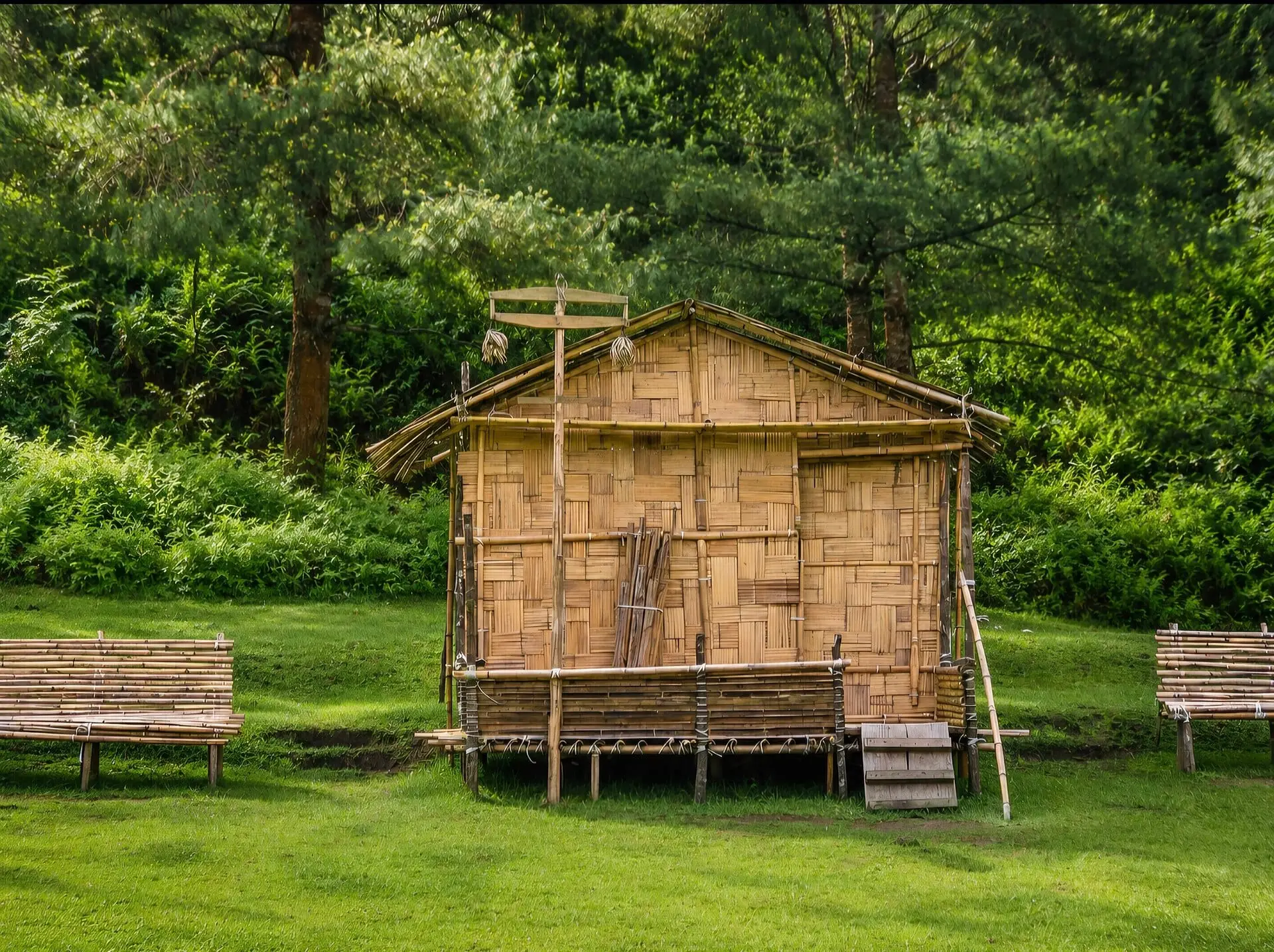
The villages are the heart of any Ziro trip. Hong is one of the biggest, and Hari, Bamin and Dutta are known for their neat layouts of bamboo and pinewood houses. The easiest way to see them is on foot or by bicycle, following the paths between the fields. Homestays and the tourism office in Ziro can find you a local guide, which helps a lot: you will understand far more of what you see, from the village councils to the bamboo and cane crafts. Always ask before you take photos of people or ceremonies.
See the rice and fish paddies
Apatani farmers raise fish in their flooded rice fields, an old system that keeps the land rich and feeds the family from one plot. At Tarin Fish Farm, about 3.5 km from Hapoli, you can see it laid out clearly: the Mipya and Emoh rice crops growing alongside the Ngihi fish. The fields are at their best between June and October, when they are green, full of water and busy with work.
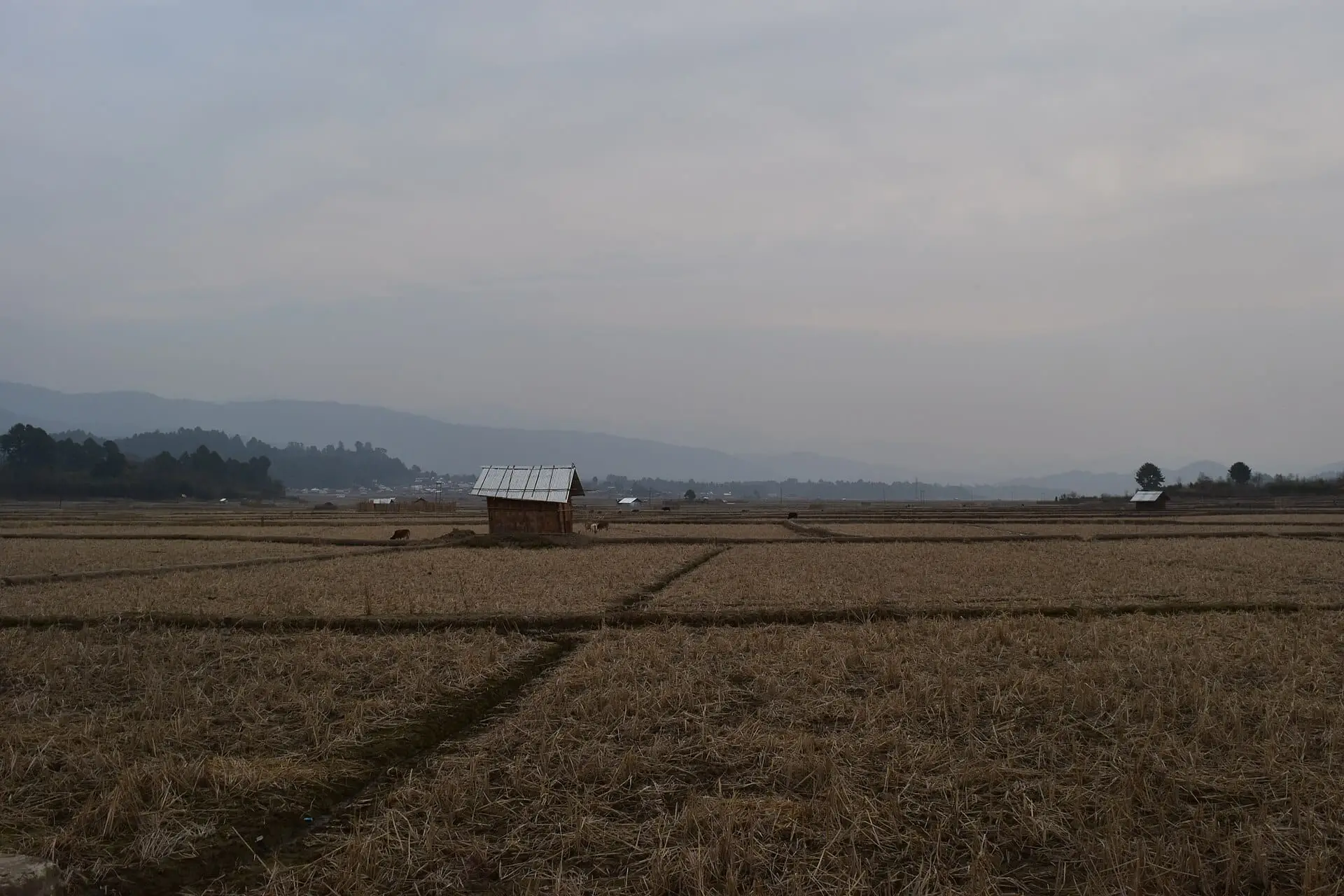
Kile Pakho viewpoint
Kile Pakho is a ridge with wide views over the Ziro plateau on one side and the Eastern Himalayas on the other. Locals and visitors go up for sunrise and sunset. On a clear autumn morning it is the best way to understand the shape of the valley.
Talley Valley Wildlife Sanctuary
About 30 to 32 km north-east of Ziro, Talley Valley Wildlife Sanctuary was set up in 1995 and covers about 337 square kilometres. It ranges from about 1,200 to 3,000 metres, and the valley opens into a plateau at around 2,400 metres. The forests change from subtropical to temperate broadleaf, silver fir and pine. Clouded leopards live here, and birdwatchers have counted around 130 species in a single spring. The sanctuary is also home to a bamboo, Pleioblastus simonii, said to grow nowhere else. Go between October and April, start early and take a guide.
Pine groves, walks and lakes
Ziro is good walking country. The pine grove at Myolyang, about 3 km from Old Ziro, is a quiet place for a picnic. Siikhe Lake, about 2.5 km from Hapoli, is said to be the first artificial lake in Arunachal Pradesh. For longer walks, Dolo Mando on the western side, along the Daporijo road, gives views over Hapoli and Old Ziro, and Midey has blue pines, bamboo and what is said to be the largest tree in the Apatani valley. Both are reached only on foot.
Sidheswar Nath Temple and the Shiva linga
In the Kardo forest, at about 5,754 feet, a natural rock formation worshipped as a Shiva linga was found in 2004. It stands about 25 feet tall and 22 feet wide, and a small temple now sits around it. It is busiest around Maha Shivratri. The Meghna Cave Temple, also dedicated to Lord Shiva, sits on a hill with wide views.
Apatani festivals
If your dates are flexible, time your visit for one of the Apatani festivals. Myoko, which celebrates friendship between villages, is held mainly in mid-March, with rituals from February into April. Dree, a farming festival with prayers for a good harvest, falls in July, with Paku-Itu, Daminda and Piree dances.
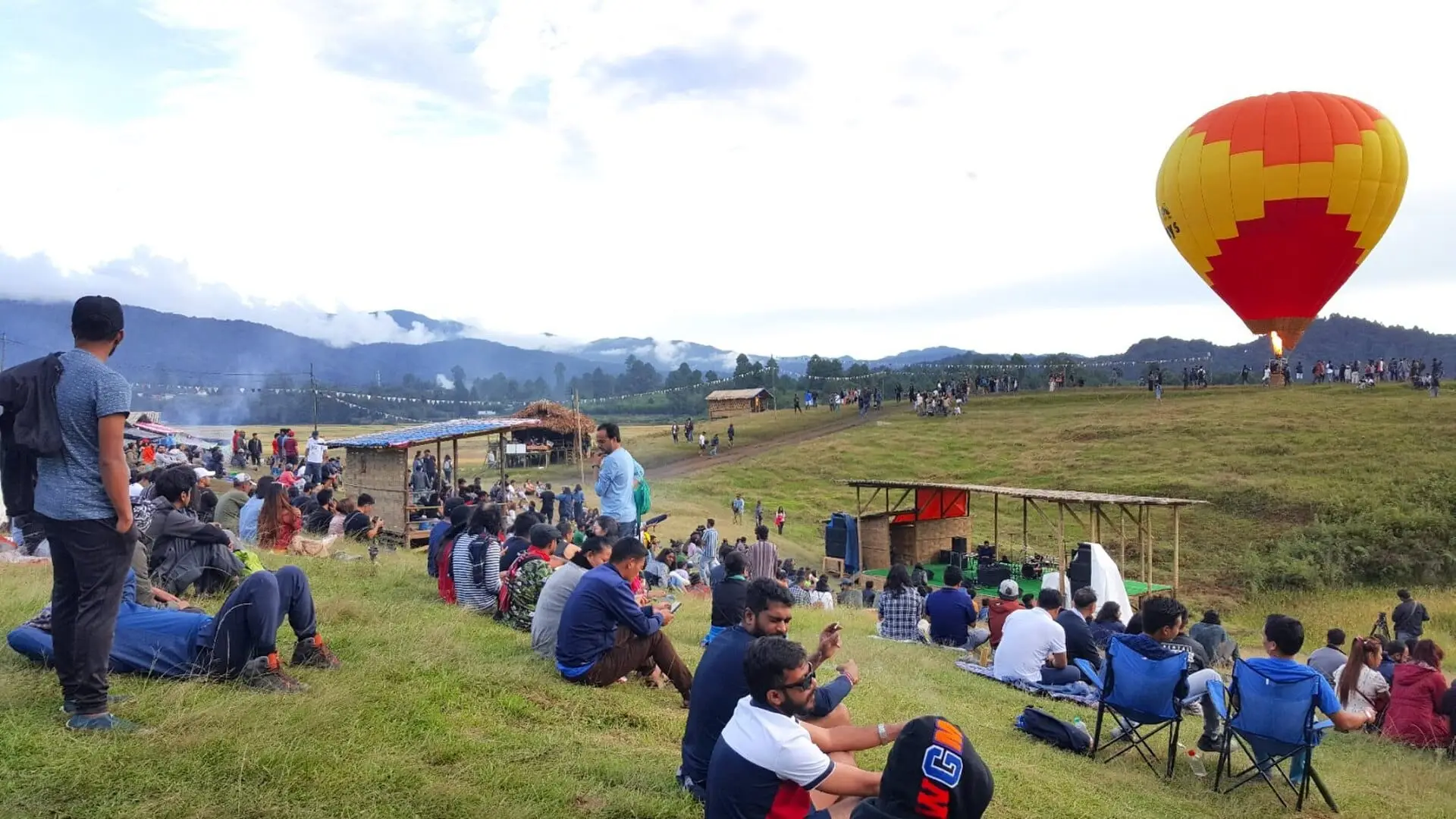
The music festival
Ziro is also known for its independent music festival, held over four days each September or so. If you would like to go, see our Ziro Festival of Music camping page. The rest of the year the valley is quieter, and many people think that is when it is at its best.
How to reach Ziro Valley
By air
Ziro has a small airstrip near Old Ziro with limited flights from Guwahati, and schedules change, so check what is running before you plan around it. The more reliable options are Lilabari Airport at North Lakhimpur in Assam, about 100 to 123 km away, and Donyi Polo Airport at Hollongi near Itanagar, about 120 to 135 km away. From either, a taxi or shared vehicle takes about 4 to 5 hours.
By train
The nearest railway station is Naharlagun, about 96 to 100 km from Ziro, with trains from Guwahati and other cities in Assam. Taxis and shared cabs run on from there.
By road
From Itanagar it is about 115 km, roughly 3.5 hours in good conditions via the Hoj-Potin road, though plan for longer. From Guwahati the drive is about 445 to 470 km, so most people split it with a night in Itanagar or North Lakhimpur. State transport buses, shared Sumos and taxis run from Itanagar, Naharlagun, North Lakhimpur and Guwahati. Roads can be rough in the monsoon, so book your taxi ahead in the rainy season and around festivals.
Best time to visit Ziro Valley
Spring (March to May): Pleasant days and fresh green hills. Myoko falls in this season. Expect some pre-monsoon thunderstorms.
Monsoon (June to mid-October): The wettest months, when the rice fields are at their greenest. Roads can be slow and muddy. Dree falls in July.
Autumn (late October to November): Clear skies, drier roads and the best views from Kile Pakho. A lovely time to go.
Winter (December to February): The coldest months, so pack properly warm clothes. A quiet season with few visitors.
Permits and practical tips
- ILP: Indian visitors from outside Arunachal need an Inner Line Permit. Apply online on the eILP portal. It covers stays of up to 14 days. Children under 14 do not need their own eILP but must travel with an adult.
- PAP: Foreign guests need a Protected Area Permit.
- Getting around: Shared taxis and small rental cars are few. Walking and cycling are the best ways to see the villages.
- Power and signal: Electricity is not always steady, so carry a power bank. Phone signal can be weak away from town.
- Cash: Carry enough cash for your stay.
- Weather: Pack warm layers even in summer, and a rain jacket from June to October.
- Etiquette: Ask before photographing people, homes or rituals. Do not walk into the forests alone.
Where to stay
Most visitors stay in Apatani homestays, and it is the best way to see the valley. You live with a family, eat home food and often get a guide through your hosts. Hapoli also has small hotels and guest houses close to the market, and there are a few quiet resorts on the edges of the valley. Rooms fill up fast around festival time, so book early if your dates overlap.
A suggested itinerary
Day 1: Arrive in Ziro. Reach Hapoli from Itanagar, Naharlagun or North Lakhimpur. Settle into your homestay and take an evening walk through the nearest village.
Day 2: Villages and fields. Spend the day on foot or by bicycle around Hong, Hari, Bamin and Dutta, with a stop at Tarin Fish Farm. Finish at Siikhe Lake or the pine grove near Old Ziro.
Day 3: Talley Valley. An early start for a full day in Talley Valley Wildlife Sanctuary with a local guide.
Day 4: Viewpoints and temples. Sunrise at Kile Pakho, then the Sidheswar Nath Temple in the Kardo forest, and a slow afternoon in Hapoli market before you leave.
Ziro pairs well with a trip down to Majuli, the river island across the border in Assam. If you would like help planning a Ziro Valley trip, with permits, drivers and homestays sorted, write to us below.
Ziro Valley: questions people ask
How do I reach Ziro Valley from Guwahati?
Ziro is about 445 to 470 km from Guwahati by road, so most people break the trip. You can take a train to Naharlagun, about 100 km from Ziro, or fly to Lilabari in North Lakhimpur or Hollongi near Itanagar, then go on by taxi or shared vehicle for 4 to 5 hours.
What is the best time to visit Ziro Valley?
Spring (March to May) and autumn (September to November) bring the most pleasant weather. The rice fields are greenest and busiest from June to October. December to February is the cold season, and the monsoon runs from June to about mid-October.
Do I need a permit for Ziro?
Yes. Indian visitors from outside Arunachal need an Inner Line Permit (ILP), which you can get online through the state's eILP portal. The eILP covers stays of up to 14 days. Foreign guests need a Protected Area Permit (PAP).
Is Ziro worth visiting outside the music festival?
Very much. The Apatani villages, the rice and fish paddies, the pine groves and Talley Valley are there all year. Spring and autumn are quieter and more relaxed than festival week, and homestays have more time for you.
How many days do I need in Ziro Valley?
Three or four days is a good amount. That gives you a day for the villages around Hapoli and Old Ziro, a day for viewpoints and walks, and a long day out to Talley Valley.
Where is Ziro and how high is it?
Ziro is in Lower Subansiri district of Arunachal Pradesh. The valley floor is at about 1,500 metres, and the town area ranges up to about 2,400 metres on the surrounding hills. Hapoli is the main town, and Old Ziro is the older settlement near the airstrip.
Can I visit Talley Valley from Ziro?
Yes. Talley Valley Wildlife Sanctuary lies about 30 to 32 km north-east of Ziro and covers about 337 square kilometres. It is a full day out, best from October to April. Ask in Hapoli about a local guide and the state of the trail before you set off.
When are the Apatani festivals?
Myoko, a festival of friendship between villages, is celebrated mainly in mid-March, with rituals that stretch from February into April. Dree, a farming festival with prayers for a good harvest, falls in July.
Want to see Ziro Valley with us?
Tell us your dates and who is coming. We will put together a custom trip or a ready package to Ziro Valley, with stays, a car and a local guide, and send it to you on WhatsApp.
More places nearby
 Assam
Majuli
Plan a trip to Majuli, the great river island of Assam: old satras, mask makers, Mising villages, the ferry from Jorhat and the best time to visit.
 Assam
Nameri National Park
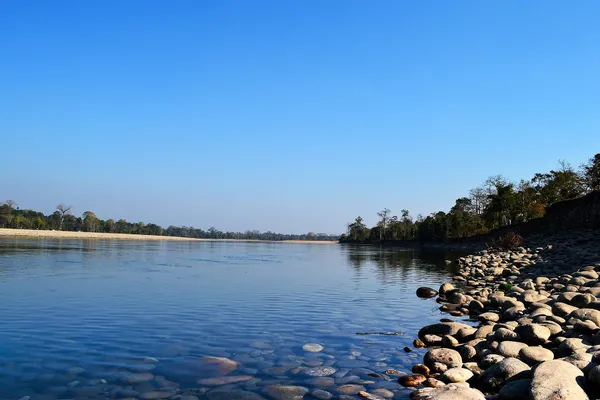
Plan your Nameri National Park trip: rafting on the Jia Bhoroli, forest walks, the rare white-winged wood duck, how to reach and the best time to visit.
 Arunachal Pradesh
Mechuka
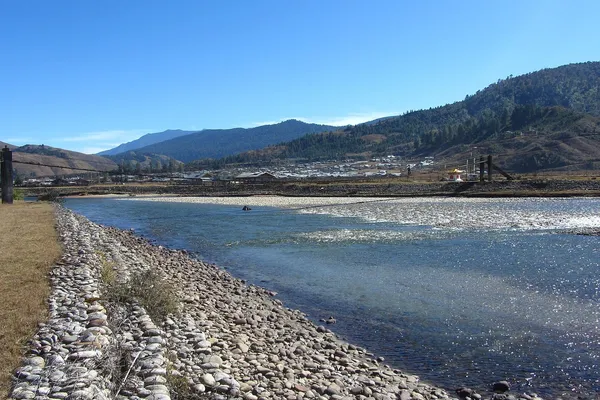
Plan a trip to Mechuka (Menchuka) in Arunachal Pradesh: a quiet valley on the Siyom river, an old monastery, how to reach, the best time to go and permits.
Sources
Last checked 18 November 2026. Rules, roads and opening months change, so check with us or the local authorities before you travel.